If your car starts one evening but the battery is flat the next morning, the problem may be more than a one-off discharge. A worn battery may no longer hold enough charge, the vehicle may not be replenishing the battery properly, or an electrical component may continue drawing power while the car is parked. Short trips, loose connections and accessories can also contribute.
The key is to find out why the battery is losing usable charge instead of repeatedly jump-starting it. A jump-start may get you moving temporarily, but it does not identify the underlying cause. If the battery is swollen, leaking, frozen or visibly damaged, do not attempt to charge or jump-start it; arrange qualified assistance.
Quick answer: common reasons a battery goes flat overnight
| Possible cause | Typical clue | Next step |
|---|---|---|
| Old or weak battery | Slow cranking, frequent flat starts or failure after sitting. | Battery health and state-of-charge test. |
| Lights or accessories left on | Problem follows a forgotten cabin light, boot light or accessory. | Check obvious switches and accessory use without dismantling components. |
| Parasitic electrical drain | Battery repeatedly loses charge while the vehicle is switched off. | Professional current-draw diagnosis after the vehicle’s systems go to sleep. |
| Charging-system fault | Battery becomes flat again after driving or warning lights appear. | Charging-system test alongside battery testing. |
| Frequent short trips | Vehicle is driven only for brief journeys and starts become sluggish. | Check battery condition and charging performance; review usage pattern. |
| Loose or corroded connections | Intermittent starting or visible corrosion around terminals. | Have connections inspected and tested safely. |
1. The battery may be old or unable to hold charge
Car batteries gradually lose capacity as they age and experience repeated charge-discharge cycles. A battery can sometimes appear to recover after a jump-start or recharge, then fail again after the car sits for several hours. Age is a clue, not proof: a relatively new battery can also discharge because of a charging fault or electrical drain.
| What you notice | What it may mean | What helps confirm it |
|---|---|---|
| Slow cranking in the morning | The battery may have low charge or reduced starting capacity. | State-of-charge and battery health testing. |
| Repeated jump-starts | The battery may be failing, or another fault may be draining it. | Test the battery and investigate repeat discharge. |
| Battery works after charging but fails again | It may not retain enough charge under normal use. | Appropriate battery test after charge, plus system checks. |
| Swollen, leaking or damaged case | Potentially unsafe battery condition. | Do not jump-start or handle unnecessarily; seek professional help. |
If the battery is confirmed to be weak, review the car battery replacement service. If the cause is not clear, begin with battery testing rather than assuming a replacement is required.
2. An accessory or light may be staying on
A cabin light, boot light, glovebox light, dash camera, USB adapter or aftermarket accessory can use power while the vehicle is parked. Some vehicles also have lights or modules that remain active briefly after locking; that can be normal. The concern is a component that stays awake or draws more power than intended for an extended period.
| Item to consider | Simple observation | Important caution |
|---|---|---|
| Interior or boot light | Check whether the light appears to switch off when doors and boot are closed. | Do not leave doors open for long while checking, as this can activate other systems. |
| Dash camera | Check whether parking mode is enabled and how it is powered. | Use the device and vehicle instructions; avoid improvised wiring. |
| USB adapter or accessory | Check whether the socket remains powered after the vehicle is off. | Socket behaviour differs by vehicle. |
| Aftermarket audio, alarm or tracker | Note whether the battery issue began after installation or repair. | Have wiring checked by a qualified auto electrician. |
| Boot or glovebox switch | Look for a light or latch that may not be operating correctly. | Do not dismantle trim or bypass switches without appropriate skills. |
Start with safe, visible checks. Do not pull random fuses, cut wires or disconnect modules to find the drain: modern vehicles can store fault codes or require specific procedures after power is interrupted.
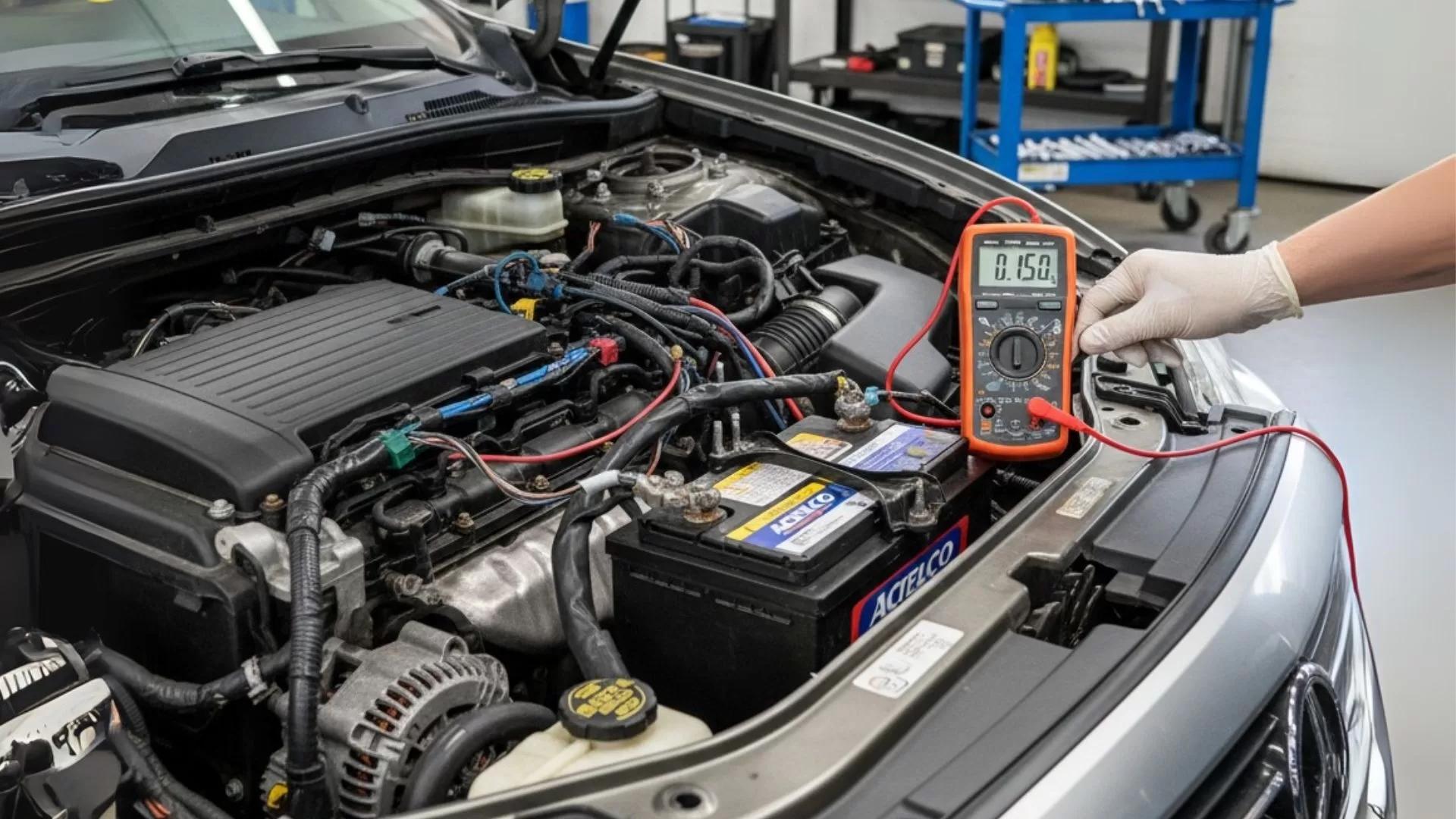
3. Parasitic battery drain: when the car uses power while parked
A small amount of standby power is normal because some vehicle systems need to retain settings or remain ready for security and keyless-entry functions. A parasitic drain becomes a concern when a circuit continues using excessive power after the vehicle should have entered its sleep state. Finding the source can require specialist test equipment and knowledge of the vehicle’s normal shutdown behaviour.
| Possible source | Why it can drain the battery | How it is investigated |
|---|---|---|
| Module not going to sleep | An electronic control unit may remain active unexpectedly. | Check sleep behaviour and current draw using the vehicle-specific procedure. |
| Aftermarket accessory wiring | Equipment may be connected to a constant power supply or wired incorrectly. | Inspect installation and isolate circuits using a controlled diagnostic process. |
| Boot, glovebox or door switch | A switch may keep a light or control module active. | Check switch status and circuit behaviour. |
| Relay or electrical component fault | A circuit may remain energised when it should be off. | Electrical diagnosis to locate the affected circuit. |
| Telematics, alarm or dash camera | Parking functions may use more power than expected or fail to shut down. | Review device settings and measure draw after the vehicle sleeps. |
Parasitic drain testing is not always as simple as connecting a meter immediately after switching the car off. Many vehicles need time for modules to shut down, and opening a door or waking the vehicle can change the result. A technician should follow the correct procedure for the specific model.
4. The alternator may not be recharging the battery
If the charging system is not working as intended, the battery may gradually lose charge during driving and then be too weak to start the car after it has been parked. A battery warning light, unusual electrical behaviour or repeat discharge after a drive are reasons to investigate charging performance. A new battery will not solve an underlying charging fault.
| Clue | Possible concern | Recommended action |
|---|---|---|
| Battery warning light while driving | Charging system may not be operating correctly. | Follow the manual and arrange prompt diagnosis. |
| Battery goes flat despite regular driving | Battery may be weak, charging may be insufficient, or a drain may exist. | Test battery and charging system together. |
| New battery loses charge soon after fitting | Charging fault, connection issue or parasitic drain may remain. | Investigate the system before replacing parts again. |
| Burning smell, belt noise or multiple warnings | Potential charging or mechanical problem. | Stop safely if the vehicle seems unsafe and request help. |
Read how to tell a battery problem from an alternator problem for a fuller comparison. If the warning light stays on or electrical performance deteriorates, do not assume the car is safe for a long drive.
5. Frequent short trips and long periods parked
Starting the engine uses a burst of battery energy. Short journeys may not provide enough time for the charging system to replace what was used, especially when lights, heating, demisting, heated seats or other electrical loads are active. A vehicle left unused for a long time can also lose charge gradually through normal standby loads, with the risk increasing if the battery is already weak.
| Usage pattern | Why it matters | Practical next step |
|---|---|---|
| Repeated trips of only a few minutes | The battery may not recover the energy used during starting. | Have battery condition checked and follow vehicle guidance on charging. |
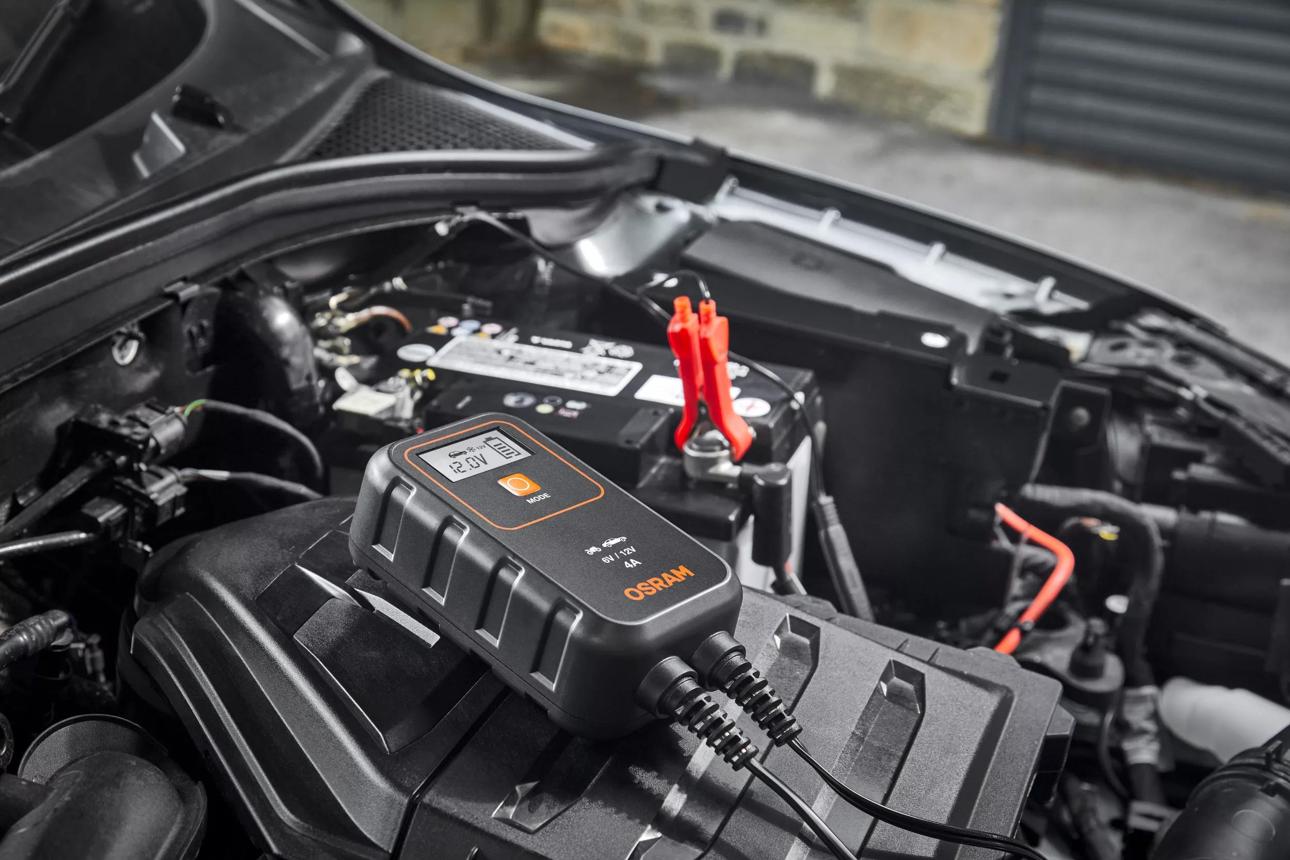
| Car parked for many days | Normal standby loads continue to use some energy. | Ask about a suitable maintenance charger if the vehicle and battery support it. |
| Heavy electrical use in slow traffic | Electrical demand and charging conditions vary by vehicle. | Investigate repeat symptoms rather than assuming driving alone will fix them. |
| Seasonal or occasional vehicle | Long idle periods can leave a battery undercharged. | Follow the manufacturer’s storage and battery-maintenance advice. |
Do not rely on repeatedly idling the engine as a universal charging solution. The right approach depends on the vehicle, battery condition and manufacturer recommendations.
Safe checks you can do before calling for help
You can gather useful clues without dismantling the vehicle or working on live electrical circuits. Do not attempt tests that require exposing wiring or disconnecting the battery if you are not confident with the procedure.
Note whether the engine cranks slowly, clicks, or does not respond at all.
Check that obvious lights and accessories are switched off.
Look for visible corrosion or damage from a safe position; do not touch a leaking or damaged battery.
Record whether the problem began after fitting an accessory, replacing the battery or having electrical work done.
Check whether a battery or charging warning light appears, and consult the vehicle manual.
Tell the technician how long the car was parked before it failed to start.
Why repeated jump-starts are not a long-term fix
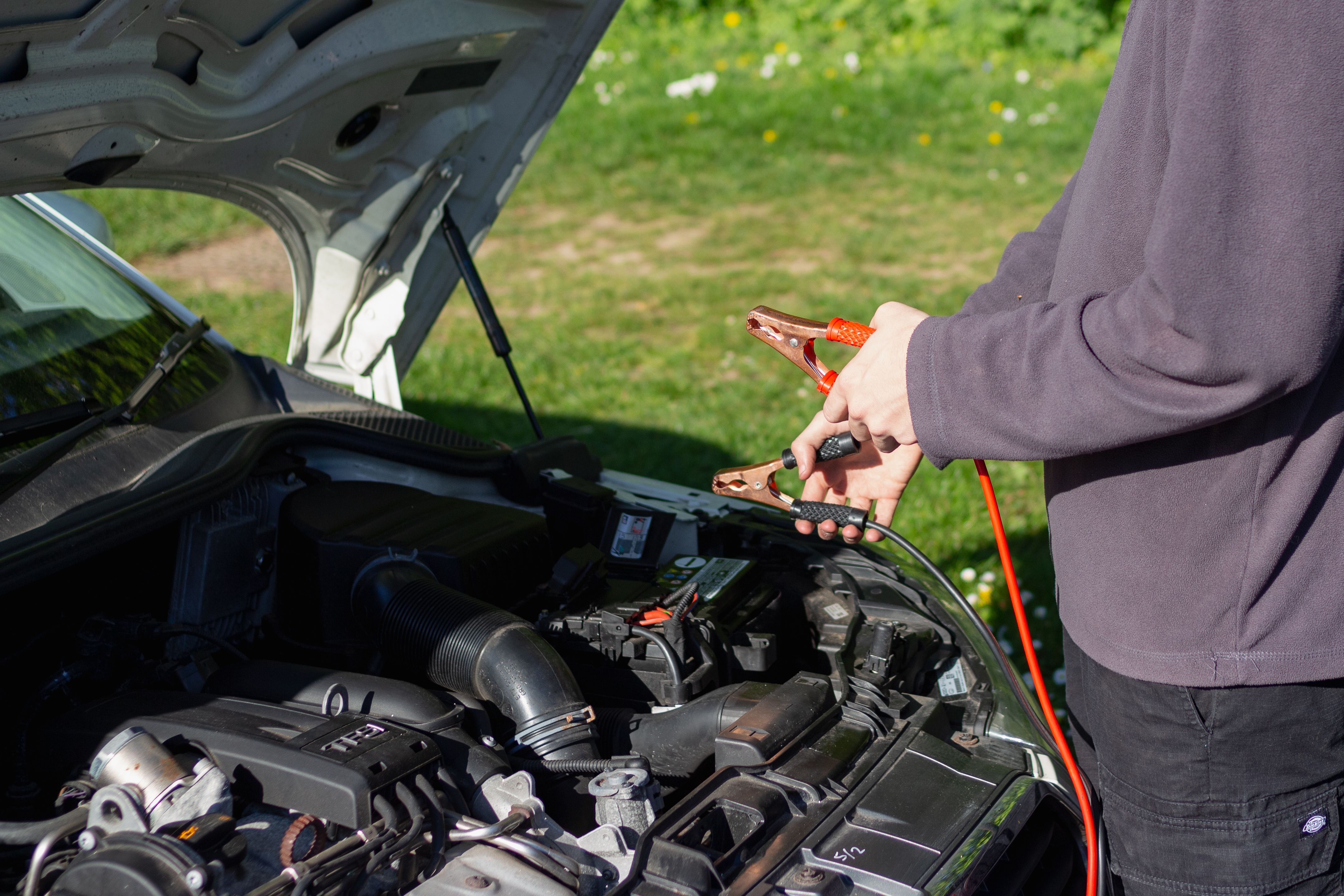
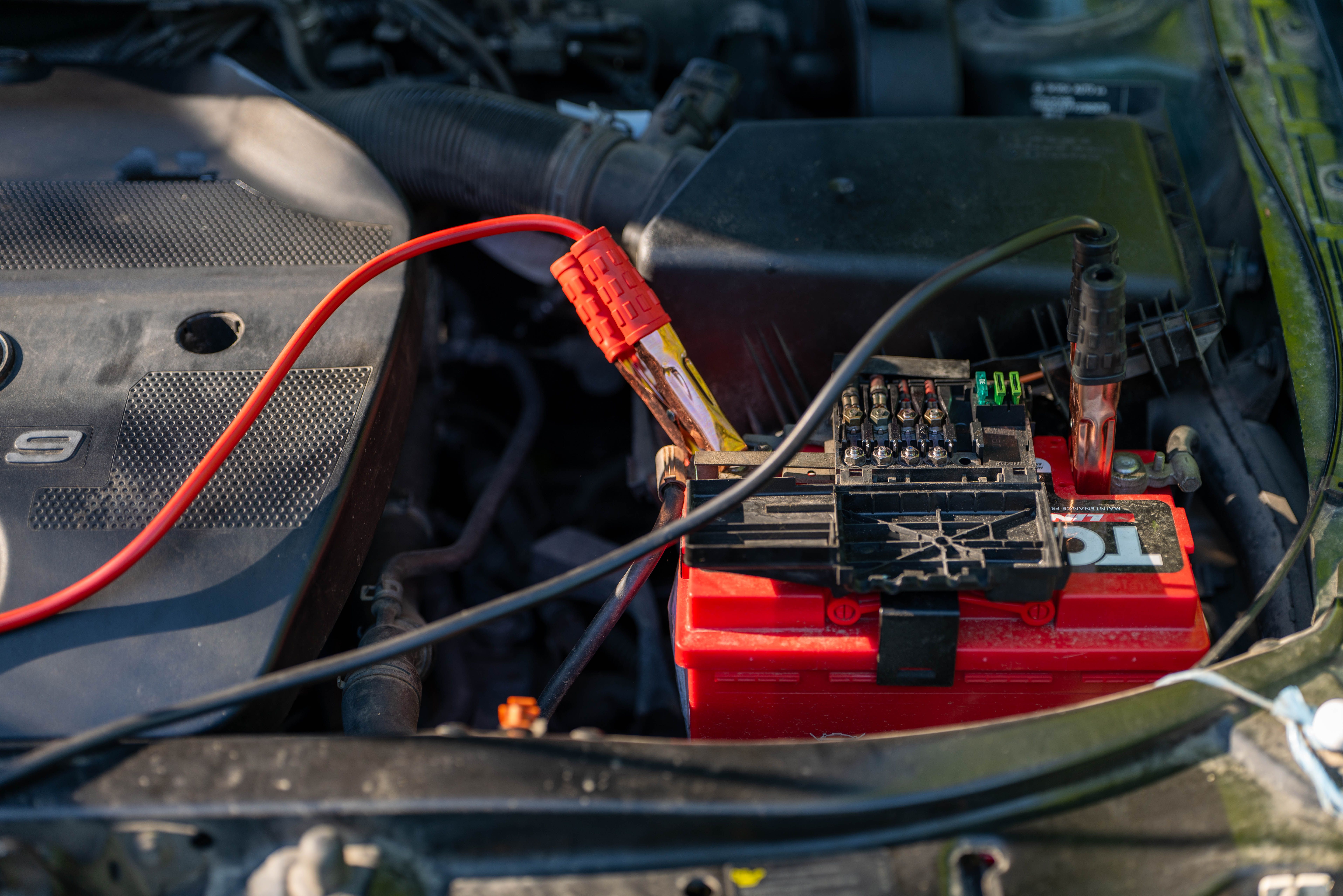
Repeated jump-starts can get the engine running temporarily, but they do not repair a worn battery, charging fault or electrical drain. Incorrect jump-starting can also injure someone or damage vehicle electronics. Follow the vehicle and jump-starter manuals exactly, and do not jump-start a swollen, leaking, frozen or visibly damaged battery.
If a jump-start is necessary, read how to jump-start a car safely. If the car repeatedly goes flat afterwards, arrange testing rather than relying on another jump.
Which checks should a technician perform?
| Diagnostic step | Purpose | When it is useful |
|---|---|---|
| Battery state-of-charge and health test | Checks current charge and the battery’s ability to perform. | Slow cranking, repeat flat starts or an older battery. |
| Charging-system test | Assesses whether the battery is being recharged as intended. | Battery warning light or repeat discharge after driving. |
| Terminal and cable inspection | Checks for poor connections, corrosion or damage. | Intermittent starting or visible terminal issues. |
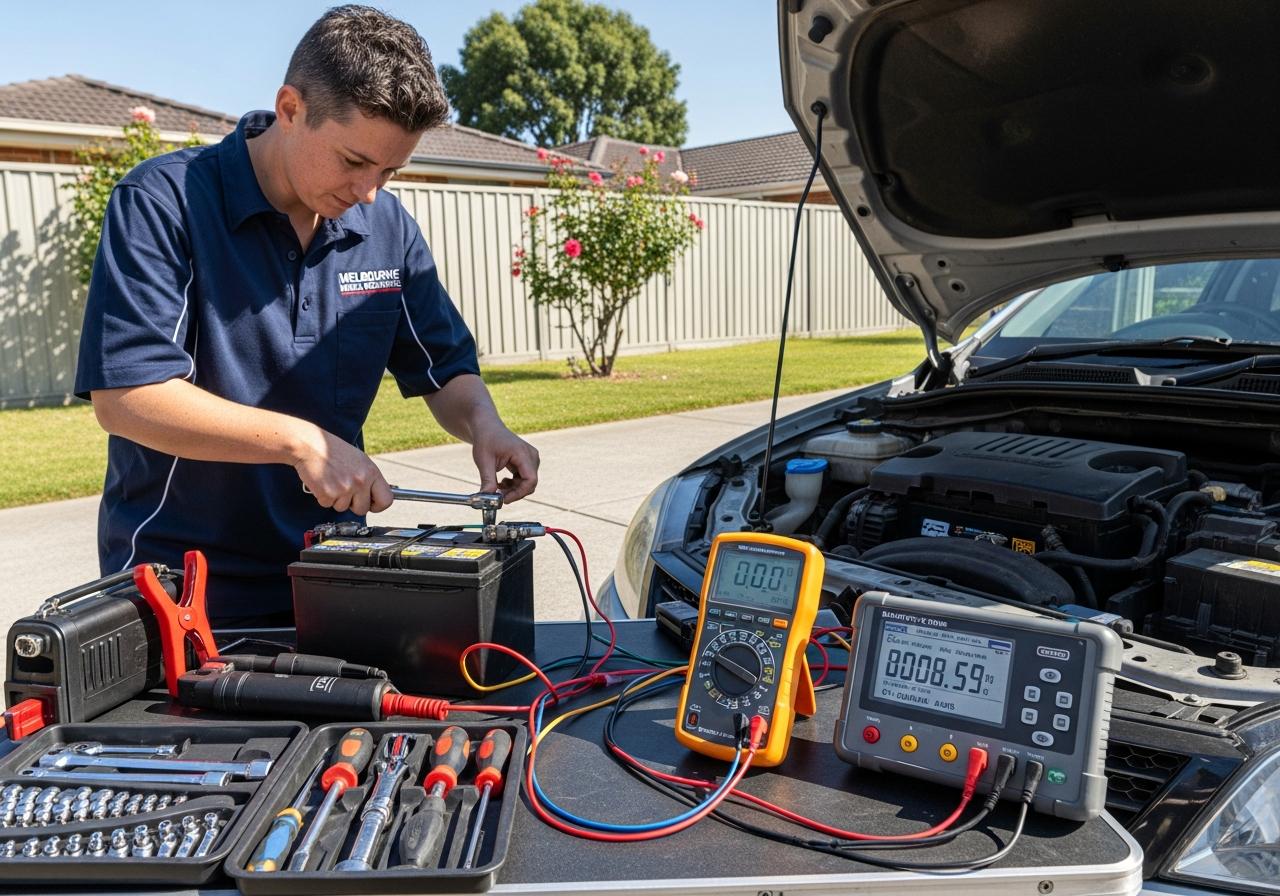
| Parasitic current-draw test | Looks for excessive power use while parked. | Battery loses charge after the car sits switched off. |
| Scan and circuit diagnosis | May identify relevant fault codes or circuits that remain active. | Modern vehicles, suspected module faults or accessory-related issues. |
Battery drain help in Melbourne West
Car Battery Service can discuss battery testing, battery replacement and jump-start assistance, depending on your vehicle, location and current availability. Persistent parasitic drain or complex charging faults may require specialised automotive electrical diagnosis; explain the symptoms when enquiring so the appropriate next step can be discussed. You can review service areas and request a service.
If you need help identifying the cause, contact Car Battery Service to discuss your vehicle, location and symptoms. Call +61 467 037 886 or email mechanicnearyoubatteries@gmail.com. You can also request a service; availability and suitability depend on your vehicle and location.
Frequently asked questions
Why does my car battery go flat overnight?
Common causes include an ageing battery, a light or accessory left on, a parasitic electrical drain, poor connections or a charging-system fault. Battery and charging-system tests help narrow down the cause.
Can a bad battery drain itself overnight?
A worn or internally damaged battery may fail to retain enough charge to start the vehicle after sitting. However, overnight discharge can also be caused by a vehicle circuit drawing power, so testing is useful before replacing parts.
What is a parasitic battery drain?
It is excessive electrical current use while the vehicle is switched off and should be asleep. Some standby power is normal; diagnosis checks whether a circuit remains active or draws more power than intended.
Can a new battery go flat overnight?
Yes. A new battery can be discharged by a parasitic drain, charging fault, poor connection or accessory that remains powered. Check the system rather than assuming the new battery is defective.
Will driving longer recharge a flat battery?
It depends on the battery’s condition, how discharged it is and the vehicle’s charging system. Driving is not a reliable fix for a failing battery or electrical fault; follow manufacturer guidance and arrange testing if the issue repeats.
Should I disconnect the battery every night?
Do not make this a default fix. Disconnecting a battery can affect vehicle settings, security systems and electronic modules, and may not address the cause. Ask a qualified technician to diagnose the drain and follow the vehicle manual.
Can a dash camera flatten my car battery?
It can contribute if parking mode is active, the power setup is unsuitable or the device does not shut down as intended. Check the camera and vehicle instructions, and have aftermarket wiring inspected if the problem began after installation.
When should I replace the battery?
Replace it when appropriate testing shows that it no longer meets the vehicle’s requirements or is unsafe to use. If the battery is repeatedly flat, also check the charging system and possible electrical drains to reduce the risk of the replacement failing again.
Final takeaway
A battery that repeatedly goes flat overnight needs a cause-based diagnosis. Check obvious accessories safely, note the symptoms and arrange battery, charging-system and—where indicated—parasitic-drain testing. Avoid repeated jump-starts as a substitute for finding the fault, and never attempt to charge or jump-start a damaged battery.
This article provides general information only. Electrical diagnosis and battery procedures vary by vehicle; follow the manufacturer’s instructions and seek qualified help when uncertain.