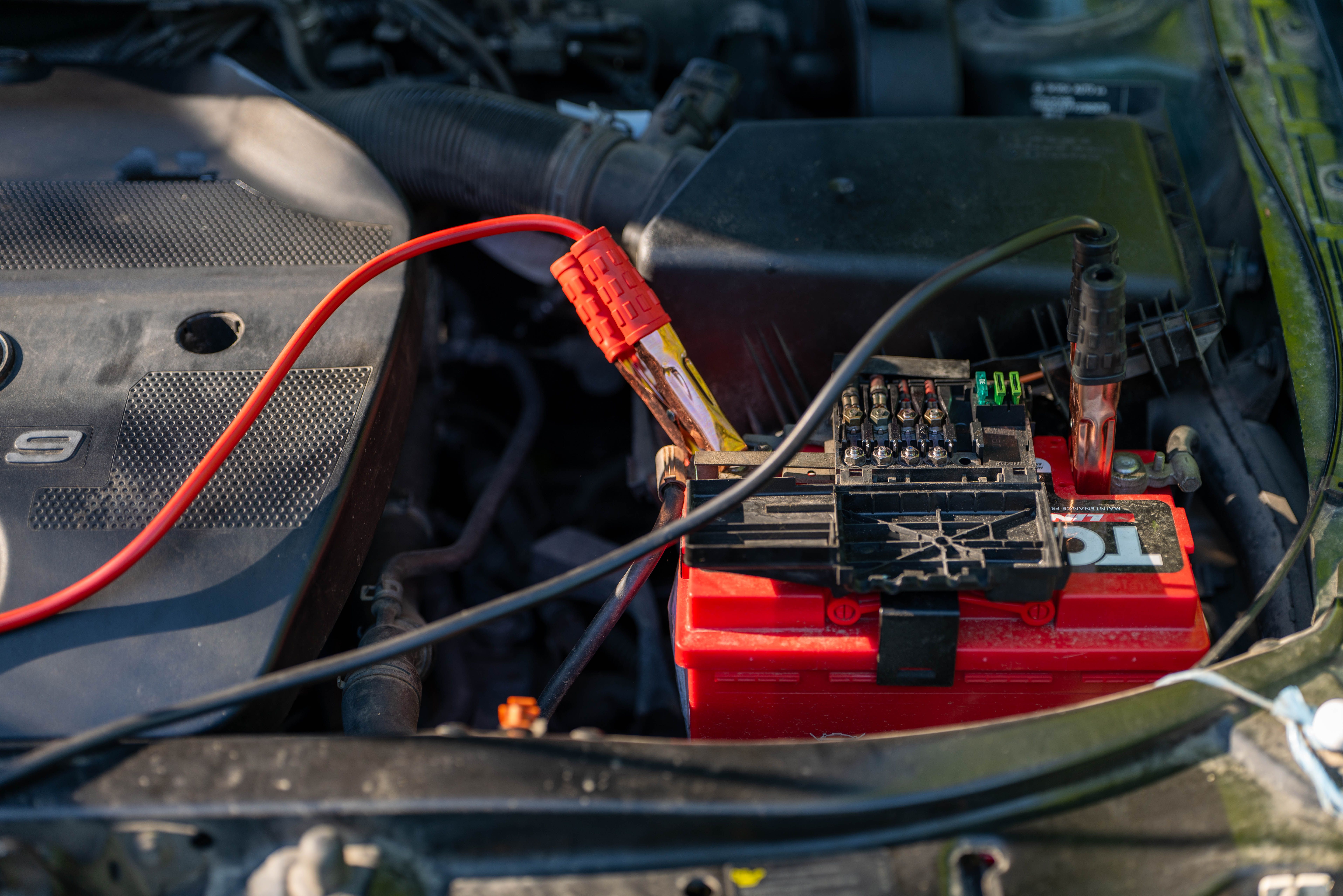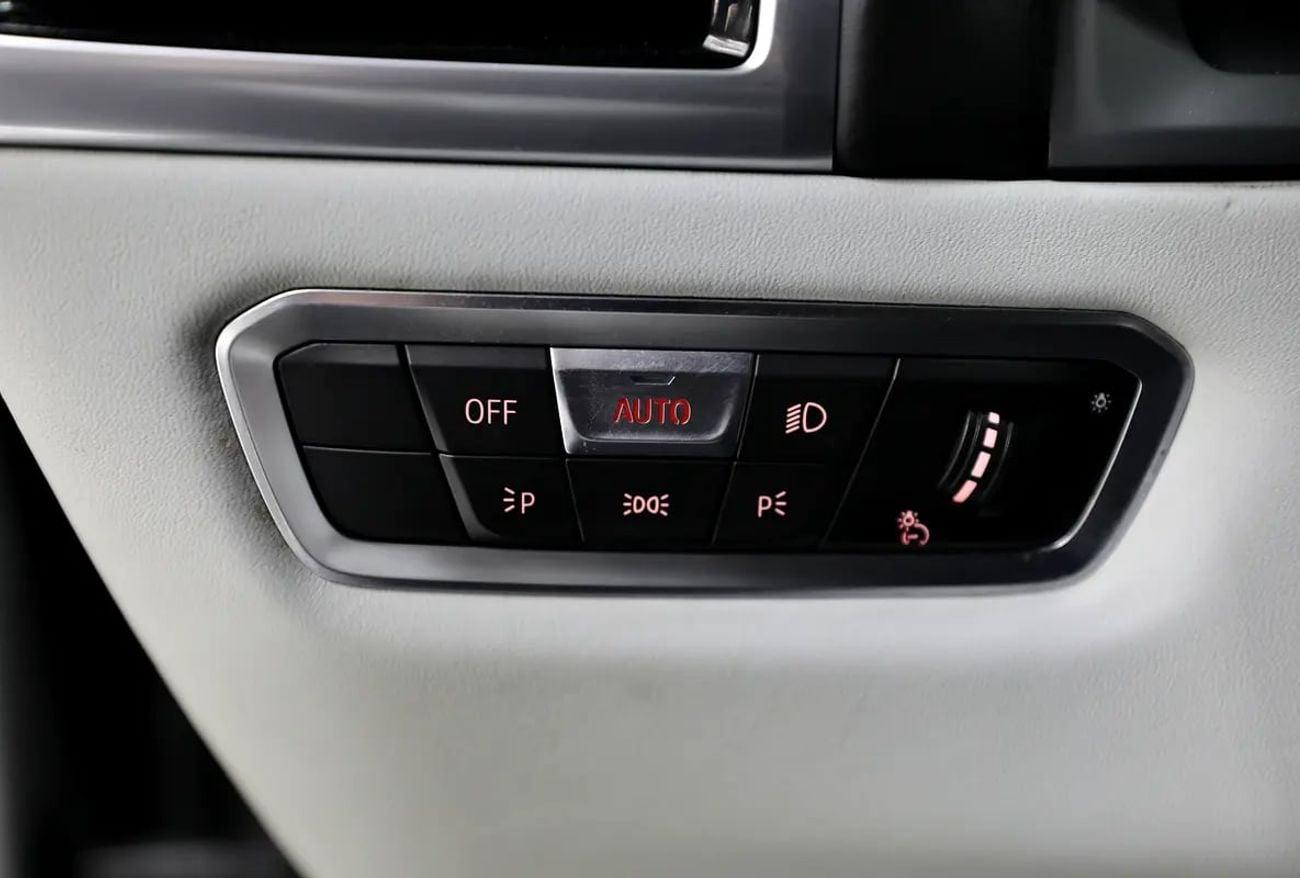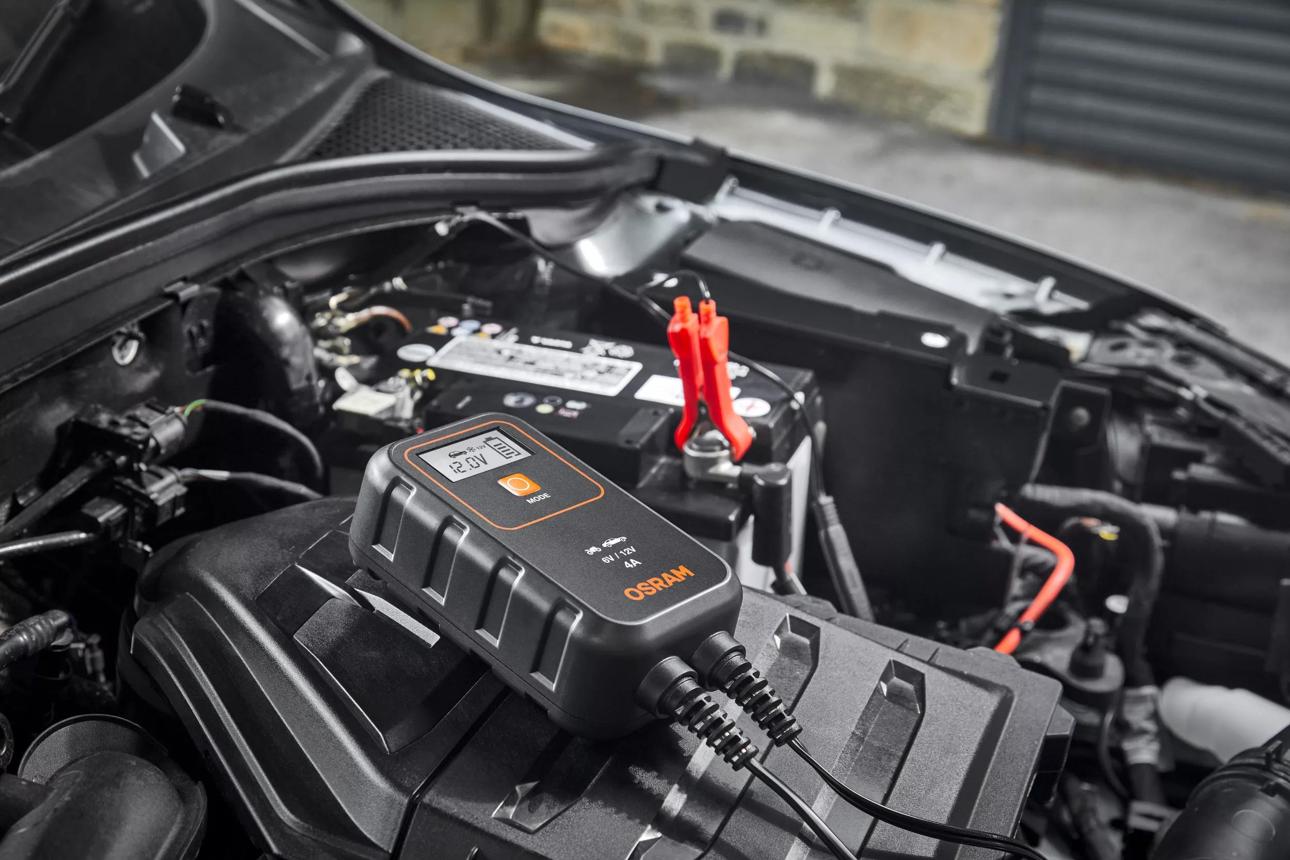
If your car’s battery warning light comes on while driving, the charging system may not be replenishing the battery as it should. The light does not automatically mean the battery itself is faulty: the alternator, drive belt, wiring or connections may also be involved.
Prioritise safety. If the light stays on, electrical systems begin failing, the engine temperature rises, or you notice smoke, a burning smell or unusual belt noise, pull over somewhere safe and switch off the engine when safe to do so. Consult your vehicle handbook and arrange assistance rather than continuing a long journey.
What does the battery warning light mean?
The battery-shaped dashboard symbol usually indicates a problem with the vehicle’s charging system while the engine is running. The battery supplies power for starting and helps stabilise the electrical system, while the charging system normally replenishes it during operation. If charging is interrupted, the car may continue running for a time using stored battery energy, but this is not a reliable distance or time estimate.
| What you notice | Possible explanation | Recommended response |
|---|---|---|
| Battery light stays on after starting | Charging system may not be working correctly | Arrange prompt charging-system diagnosis |
| Light appears with dim headlights | Low system voltage or charging issue | Reduce unnecessary electrical loads if safe and seek help |
| Light plus belt squeal | Possible belt or pulley issue | Stop safely if the vehicle may be unsafe; request assistance |
| Light appears intermittently | Possible wiring, connection or intermittent charging fault | Record when it happens and arrange testing |
| Light appears with overheating or burning smell | Potential serious mechanical or electrical issue | Pull over safely and switch off when safe |
Can you keep driving with the battery light on?
There is no universal safe distance. The vehicle may keep running until battery voltage falls too low, but electrical assistance systems or engine management may be affected depending on the vehicle. Continuing can leave you stranded in traffic or at an unsafe location. Follow the owner’s manual, pay attention to other warnings and arrange roadside or mobile assistance when appropriate.
Do not touch a moving belt, open hot components or attempt roadside electrical repairs in traffic. If you are unsure whether the vehicle is safe, stop in a safe place and ask for qualified help.
Battery, alternator or something else?
| Possible issue | Clues | How it is checked |
|---|---|---|
| Weak or damaged battery | Slow cranking, repeated flat starts or difficulty after parking | Battery state-of-charge and health test |
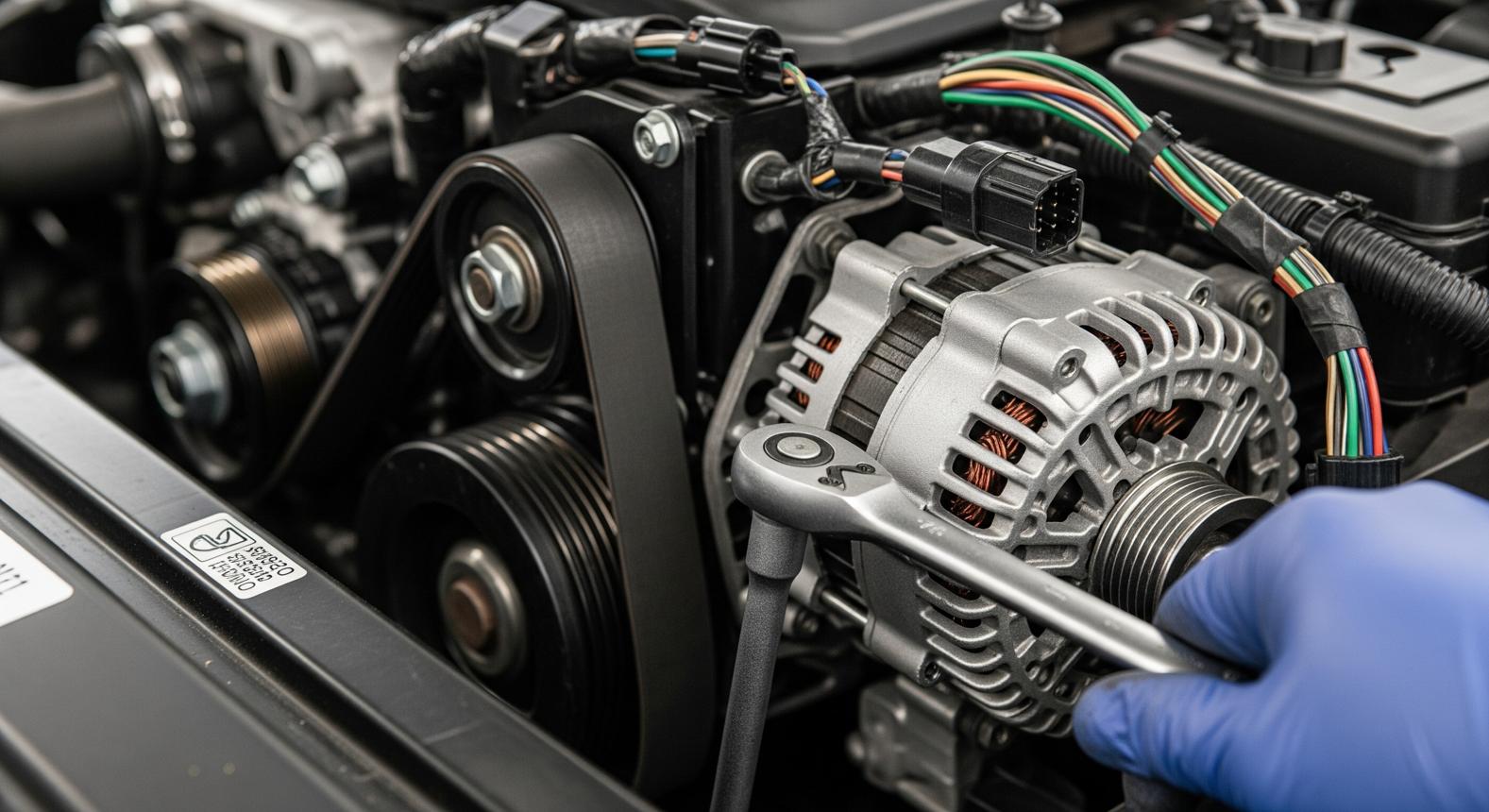
| Alternator or charging fault | Warning light while running, low voltage or repeated discharge | Charging-system output and related checks |
| Loose or corroded connection | Intermittent symptoms or visible terminal corrosion | Safe inspection of terminals, cables and connections |
| Belt, pulley or wiring issue | Noise, damage or intermittent charging symptoms | Vehicle-specific mechanical and electrical inspection |
A warning light alone cannot identify the failed component. Replacing the battery without checking the charging system may leave the original fault unresolved. Read our guide to battery versus alternator problems for a related symptom comparison.
What should you do immediately?
Keep calm and look for a safe place to pull over if the warning remains on or other symptoms appear.
Check the dashboard for additional warnings, temperature changes or loss of electrical functions.
Switch off the engine when safely parked if the vehicle appears unsafe to continue operating.
Do not disconnect the battery while the engine is running or touch moving engine components.
Tell the technician when the light appeared, whether it stays on, and whether the vehicle recently had a battery or electrical repair.
Which tests should be performed?
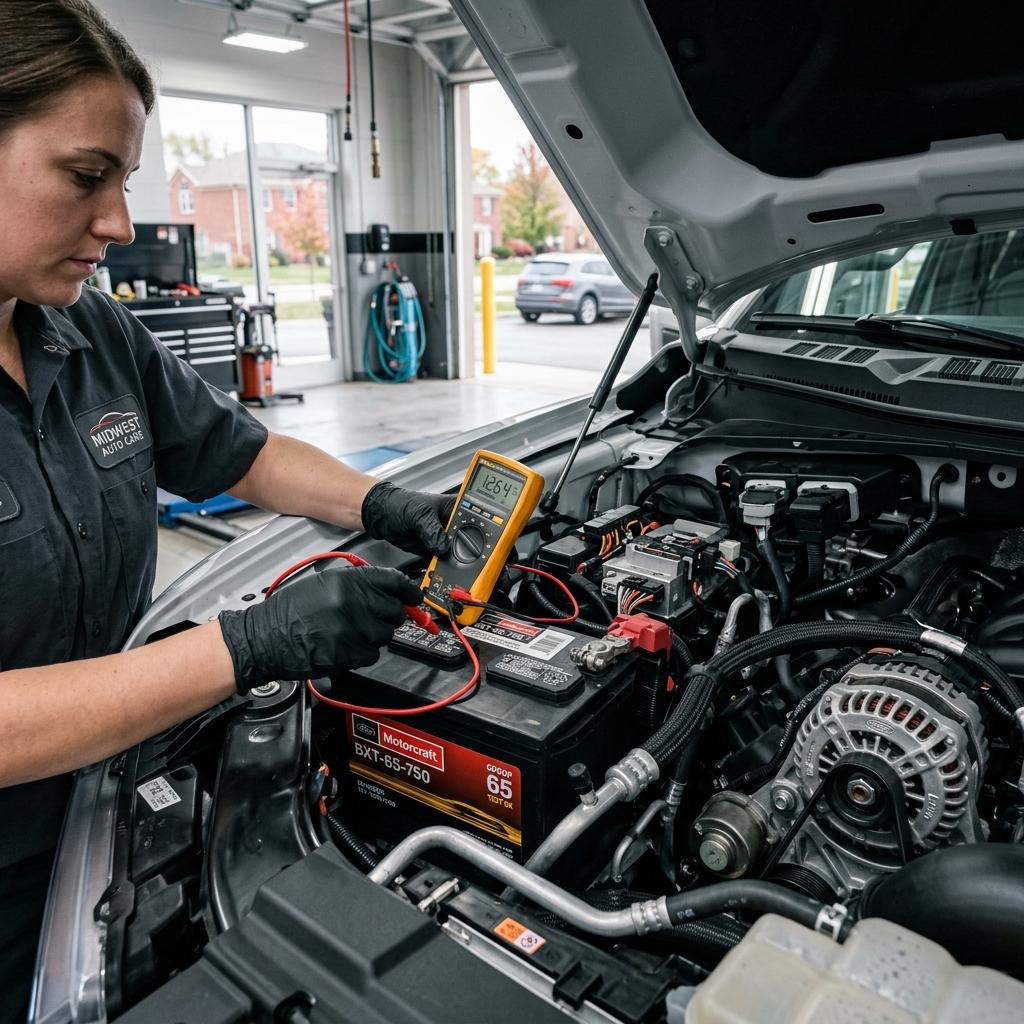
A useful assessment may include battery condition and charge, charging-system output, terminals and cables, belt condition where applicable, and fault-code or circuit checks when needed. The exact procedure varies by vehicle, including hybrids and vehicles with smart charging systems.
| Check | Why it matters |
|---|---|
| Battery health and charge | Shows whether the battery can support starting and whether it is discharged |
| Charging-system test | Checks whether the battery is being replenished as intended |
| Connections and cables | Finds poor contact, corrosion or damage that can affect charging |
| Vehicle-specific diagnostics | Helps investigate intermittent faults or electronically controlled charging |
Battery warning light help in Melbourne West
Car Battery Service can discuss battery testing, battery replacement and jump-start assistance, depending on your vehicle, location and availability. A persistent charging warning may need an automotive electrical specialist. Review our service areas or request a service.
Call +61 467 037 886 or email mechanicnearyoubatteries@gmail.com. Explain the warning light, vehicle model and your location so the appropriate next step can be discussed.
Frequently asked questions
Does the battery light mean I need a new battery?
Not necessarily. It commonly indicates a charging-system issue, which may involve the alternator, belt, wiring, connections or battery. Testing helps identify the cause.
Can I drive to a mechanic with the battery light on?
There is no universal safe distance. If the light remains on or other warnings, overheating, electrical failures or unusual smells occur, stop safely and arrange assistance. Follow the vehicle handbook.
Will a jump-start fix a battery warning light?
A jump-start may help a discharged battery start, but it does not repair a charging-system fault. If the warning remains on, arrange diagnosis.
Can a bad alternator cause the battery light to come on?
Yes, an alternator or another charging-system component can cause the light. The warning alone does not prove which component has failed.
Should I replace the battery first?
It is better to test the battery and charging system before replacing parts. Otherwise, the new battery may discharge again if the underlying problem remains.
Is it safe to disconnect the battery while the engine is running?
No. Do not use this as a test. It can damage vehicle electronics and is not a reliable way to diagnose modern charging systems.
Final takeaway
A battery warning light while driving deserves attention because it can signal that the charging system is not maintaining the battery. Stop safely if the vehicle shows additional symptoms, avoid risky roadside repairs and arrange vehicle-appropriate testing.
This article is general information, not a vehicle-specific diagnosis. Follow the owner’s manual and seek qualified assistance when uncertain.