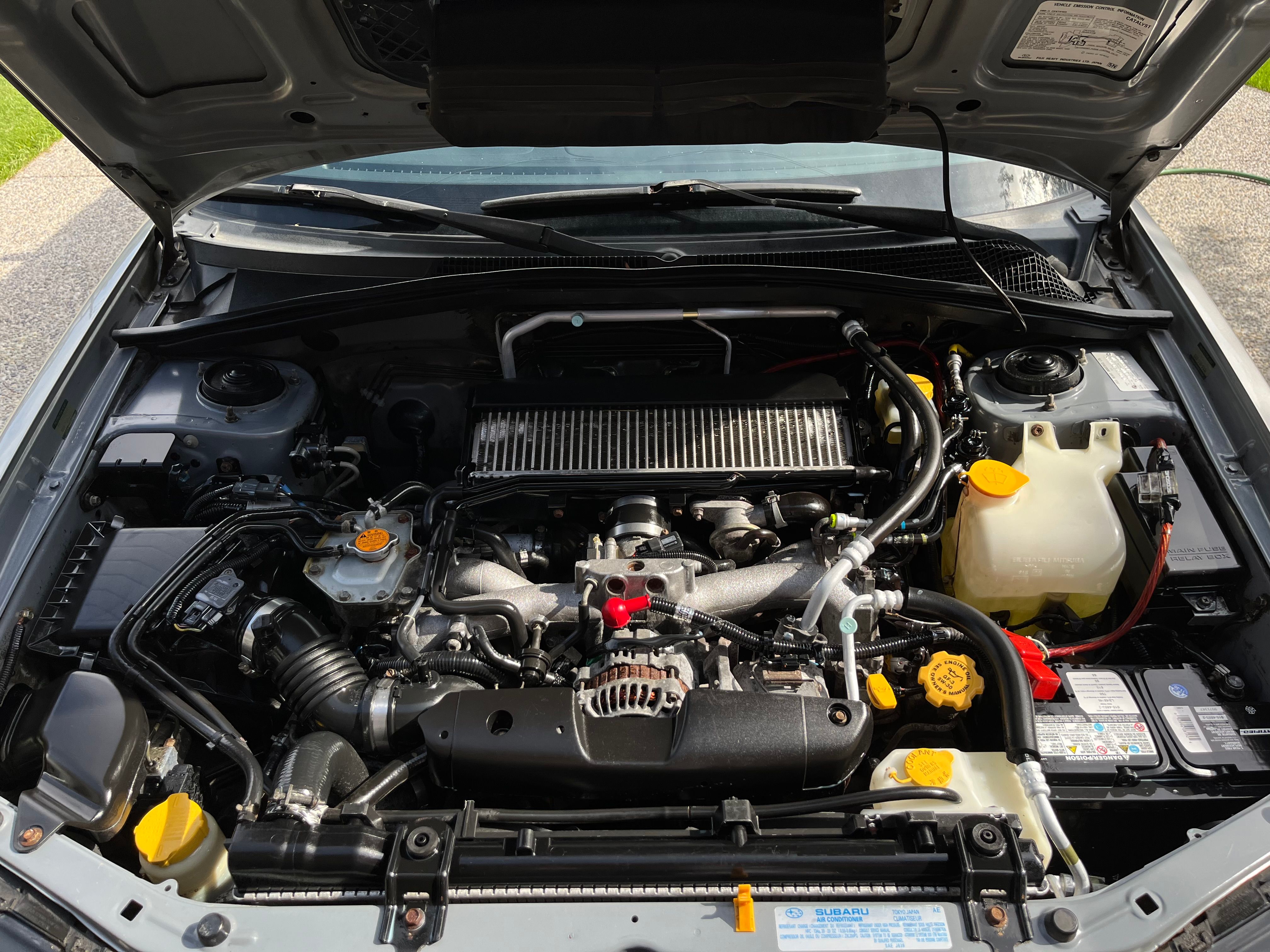
If your car will not start, the battery and alternator are two possible causes—but they do different jobs. The battery supplies electrical energy to start the engine and power systems when the engine is off. Once the engine is running, the charging system, including the alternator in many conventional vehicles, supplies electrical power and replenishes the battery. A fault in either system can leave you stranded, and the symptoms can overlap.
The most reliable way to tell the difference is to combine the symptoms with proper battery and charging-system tests. A jump-start may get the vehicle going temporarily, but it does not confirm that the battery is healthy or that the alternator is charging correctly.
Battery vs alternator: what is the difference?
| Component | Main job | What failure may look like |
|---|---|---|
| 12V battery | Provides energy for starting and powers electrical systems when the engine is off. | Slow cranking, clicking, dim lights before starting, or a car that will not crank. |
| Alternator / charging system | Supplies electrical power while the engine runs and charges the battery in many petrol and diesel vehicles. | Battery warning light, electrical issues while driving, or a battery that repeatedly loses charge. |
| Battery terminals and cables | Carry current between the battery and vehicle electrical system. | Intermittent starting, corrosion, loose connections or voltage drop. |
| Starter motor / circuit | Turns the engine over during starting. | Clicking or no cranking even when battery condition is adequate. |
Modern vehicles can use smart charging systems, battery sensors and different electrical architectures. Hybrid and electric vehicles may have additional systems, so do not assume a single generic test or voltage value applies to every model.
Symptoms of a weak or failing car battery
A battery-related problem is more likely when the engine turns slowly, clicks during starting or the electrical accessories seem weak before the engine starts. These signs are clues, not a diagnosis: a poor connection or starter fault can produce similar symptoms.
| Symptom | What it may suggest | What to check |
|---|---|---|
| Slow engine cranking | Low battery charge, battery deterioration or poor connections. | Battery condition, terminals and starting circuit. |
| Rapid clicking when starting | Insufficient current or a poor electrical connection. | Battery test and cable/terminal inspection. |
| Car starts after a jump-start | Battery may be discharged or unable to hold charge. | Battery health and charging-system operation. |
| Repeated flat battery after short trips | The battery may not be receiving enough recharge, may be worn, or another drain may exist. | Battery test and further diagnosis if the problem repeats. |
| Battery is old or has visible damage | Reduced capacity or unsafe condition may be present. | Arrange assessment; do not jump-start a swollen, leaking or damaged battery. |
Read our guide to warning signs of a dying car battery for more examples. If the vehicle is flat or slow to crank, a battery test is a useful starting point.
Symptoms of a failing alternator or charging system
A charging-system fault may become noticeable while the engine is running or may repeatedly leave the battery flat after a drive. In many vehicles, a battery-shaped warning light indicates a charging-system issue rather than simply saying the battery itself is bad. Check the owner’s manual for the exact warning symbol and instructions.
| Symptom | Why it matters | Recommended response |
|---|---|---|
| Battery warning light while driving | The charging system may not be operating as expected. | Follow the vehicle manual; arrange prompt diagnosis. |
| Lights dim or electrical systems behave unusually | Charging output, connections or another electrical fault may be involved. | Have the charging system checked rather than assuming the battery alone is at fault. |
| New battery becomes flat again | A charging fault or electrical drain may prevent the battery staying charged. | Test battery condition and charging system. |
| Unusual belt noise or burning smell | A belt, pulley or other mechanical/electrical problem may be present. | Stop in a safe place if needed and seek qualified assistance. |
| Vehicle stalls or multiple warnings appear | Electrical supply may be compromised; other faults are also possible. | Do not continue driving if the vehicle appears unsafe; arrange roadside help. |
Do not remove a battery terminal while the engine is running to “test” the alternator. That old-fashioned method can damage vehicle electronics and is not a safe substitute for proper testing.
Quick comparison: battery problem or alternator problem?
| Clue | Battery more likely? | Charging system more likely? |
|---|---|---|
| Slow crank after the car has been parked | Often a possibility | Possible if the battery was not recharged properly |
| Battery warning light remains on while driving | Not enough to prove battery failure | Important clue to investigate |
| Vehicle starts with a jump but is flat later | Possible | Also possible; test both systems |
| Lights or electrical systems fail while driving | Could be involved | Charging or broader electrical issue should be checked |
| Battery case swollen or leaking | Unsafe battery condition | Does not diagnose the alternator |
| Clicking with clean, secure connections | Possible low charge or battery weakness | Further tests needed if battery passes |
Use this as a guide to decide what to investigate, not as a way to diagnose a part with certainty. Symptoms can overlap, and more than one fault can exist at the same time.
What tests can identify the real cause?
A proper diagnosis looks at battery condition, electrical connections and charging performance together. The precise test procedure and acceptable readings depend on the vehicle, battery chemistry, temperature and manufacturer specifications.
| Test | What it helps assess | What it cannot prove alone |
|---|---|---|
| Battery state-of-charge check | Whether the battery is currently charged enough for further testing. | A charged battery may still have poor capacity. |
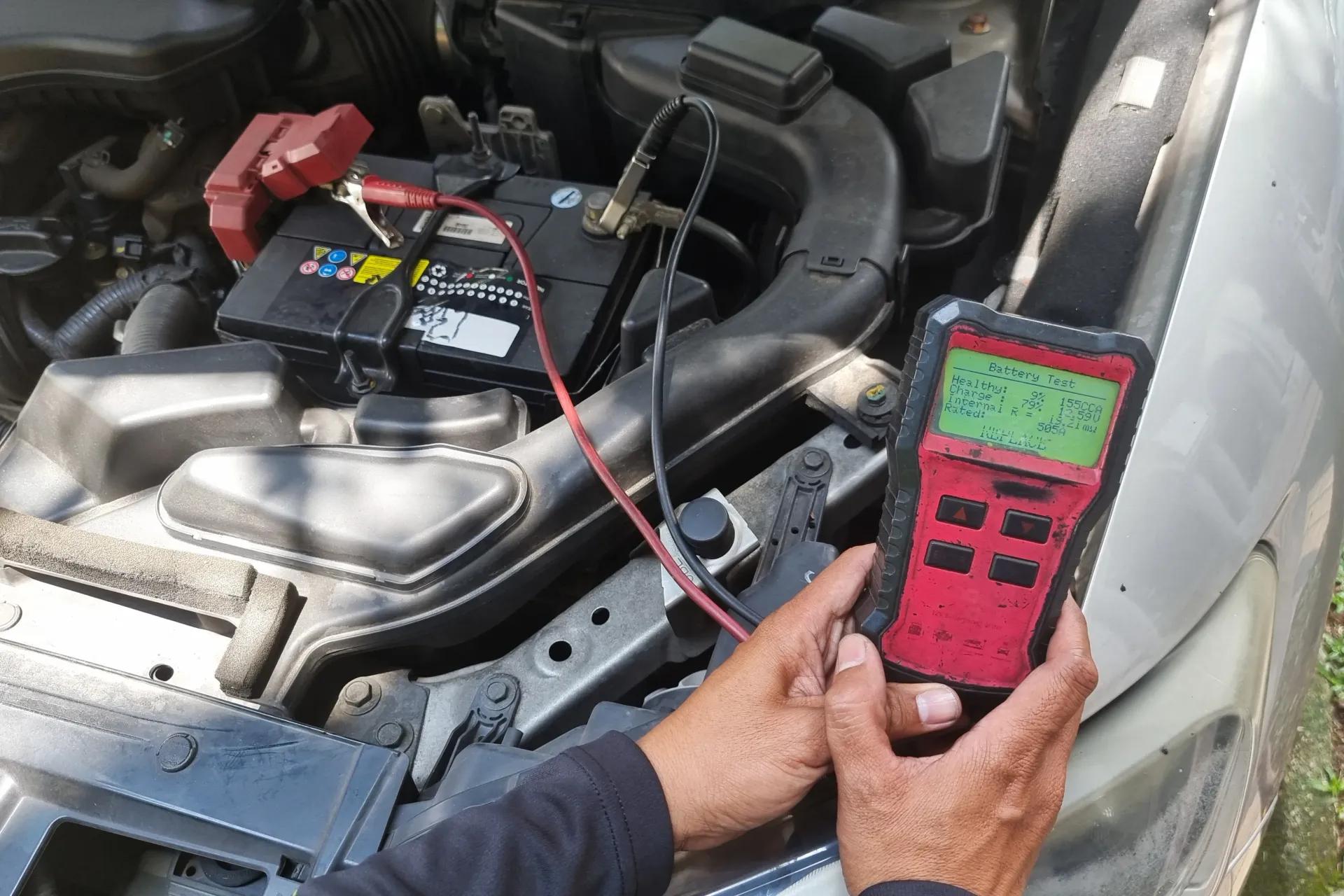
| Battery health / load or conductance test | Whether the battery can deliver suitable starting performance. | It does not confirm the alternator is charging correctly. |
| Charging-system test | Whether charging performance is appropriate for the vehicle’s system. | A single reading may not reveal intermittent or smart-charging faults. |
| Terminal and cable inspection | Corrosion, looseness, damage or high-resistance connections. | Visual inspection alone may miss an electrical fault. |
| Parasitic drain diagnosis | Whether an electrical load is discharging the battery while parked. | It is not the same as testing battery health or alternator output. |
If the battery is discharged, it may need to be charged appropriately before some tests can give a meaningful result. A technician may also need to consider the vehicle’s battery management system and manufacturer-specific charging strategy.
Can I keep driving with the battery warning light on?
Do not ignore a charging warning. Depending on the fault, the vehicle may be running from the remaining battery energy and could lose electrical power or stop. The exact risk varies by vehicle and failure mode. Follow the owner’s manual and prioritise getting to a safe location. If lights are dimming, multiple warnings appear, the engine runs irregularly or you smell burning, stop safely and request assistance rather than attempting a long drive.
Why a jump-start does not settle the question
A jump-start supplies temporary starting energy; it does not tell you why the battery became discharged. If the battery is worn, it may fail again. If the charging system is faulty, the battery may not recover while driving. If an electrical accessory or module drains the battery while parked, the problem may return after the car is switched off.
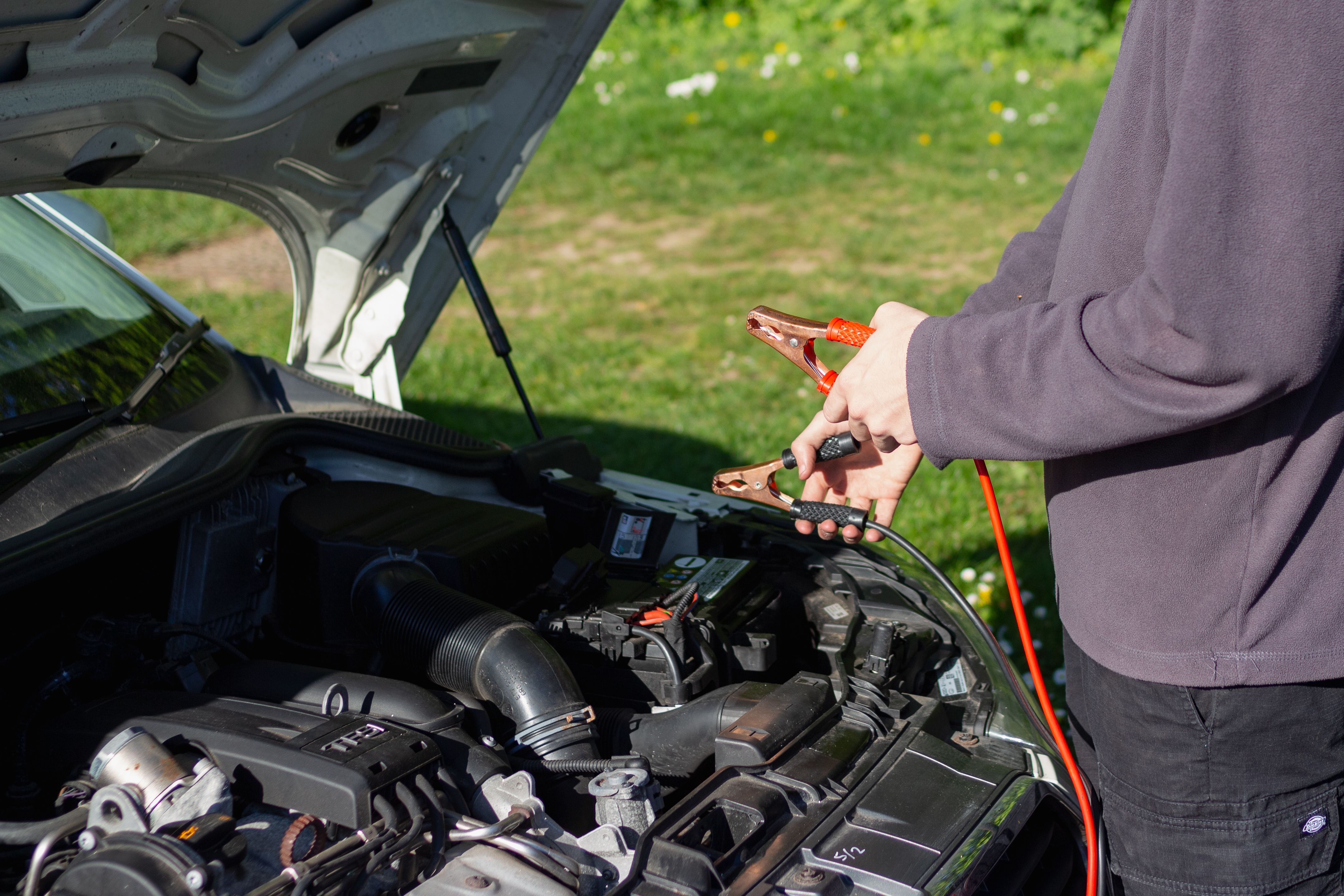
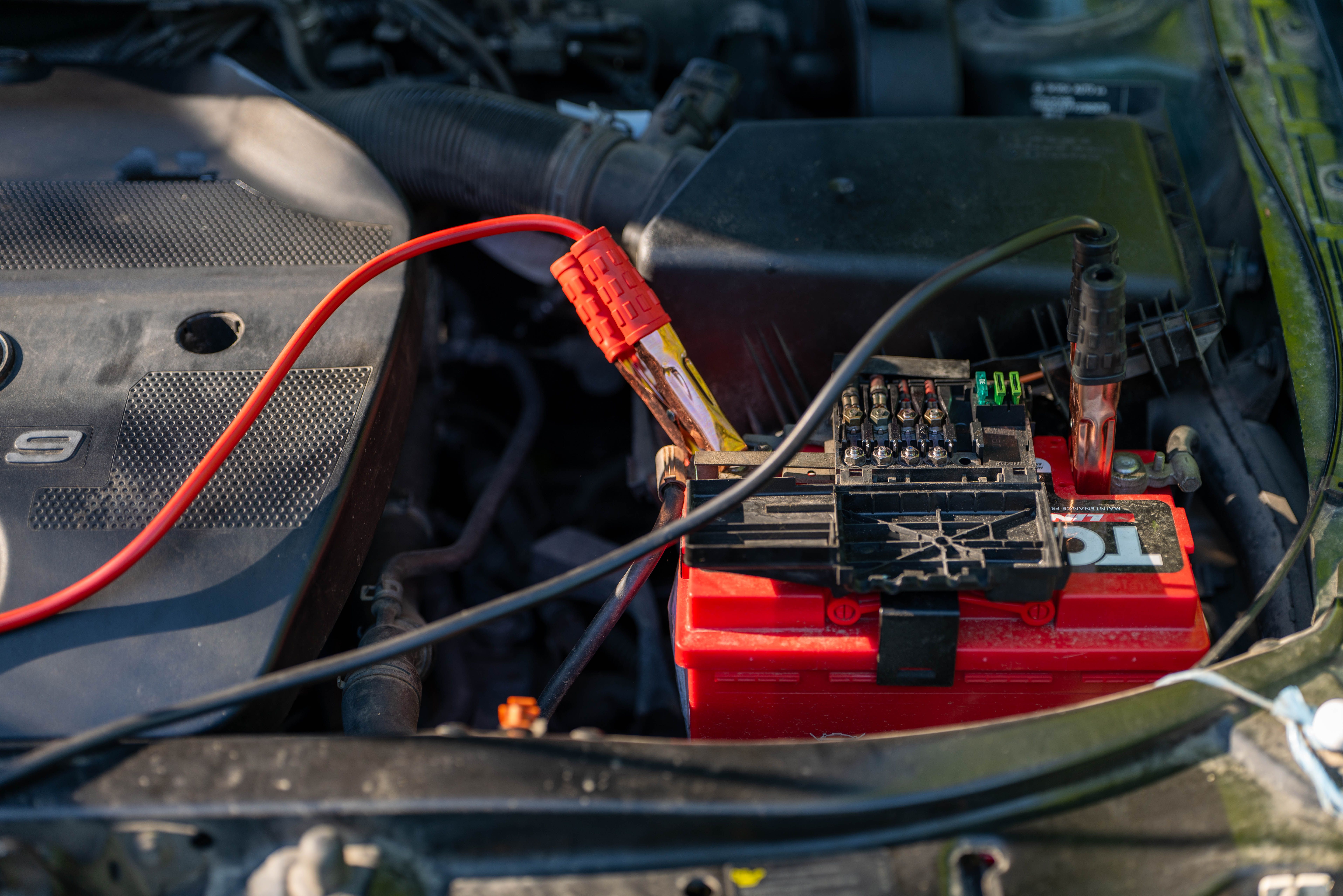
After a jump-start, arrange battery and charging-system checks if the battery is old, the warning light stays on or the vehicle becomes flat again. For safety guidance, see how to jump-start a car safely.
Special considerations for hybrids and electric vehicles
Some hybrids and electric vehicles still use a 12V auxiliary battery to power control systems, locks and other electronics, even though propulsion uses a separate high-voltage battery. A flat 12V battery can prevent a vehicle from entering its ready state, but the diagnostic and recovery procedure is model-specific.
Never touch orange high-voltage cables or attempt to test or jump-start a high-voltage traction battery. Use the owner’s manual or a qualified technician familiar with the exact vehicle.
When to arrange professional assistance
Seek help if the battery is damaged, the car repeatedly fails to start, a charging warning remains on, electrical systems behave unusually or you are unsure which component is responsible. Tell the provider what happens when you turn the key or press start, whether the warning light appears, and whether the car has recently been jump-started or fitted with a new battery.
Battery and charging-system help in Melbourne West
Car Battery Service can discuss battery testing, battery replacement and jump-start assistance, subject to your vehicle, location and current availability. If the symptoms suggest a charging-system fault, explain that clearly when enquiring so the next step can be assessed. Check service areas and request a service.
If you need help identifying the cause, contact Car Battery Service to discuss your vehicle, location and symptoms. Call +61 467 037 886 or email mechanicnearyoubatteries@gmail.com. You can also request a service; availability and suitability depend on your vehicle and location.
Frequently asked questions
How do I know if it is the battery or alternator?
Slow cranking and clicking can point towards a discharged battery or poor connection, while a battery warning light during driving may indicate a charging-system issue. These symptoms overlap, so battery and charging-system testing is the reliable way to distinguish them.
Can a bad alternator ruin a new battery?
A charging-system fault can leave a new battery undercharged or repeatedly discharged. If a battery becomes flat soon after replacement, check the charging system and possible electrical drains rather than replacing the battery again without diagnosis.
Does the battery warning light always mean I need a new battery?
No. In many vehicles, the battery-shaped warning light indicates a charging-system problem. Check the vehicle manual and arrange diagnosis; the warning alone does not prove that the battery itself has failed.
Can I drive with the battery light on?
It may be unsafe to continue because the vehicle could lose electrical power or stop. Follow the owner’s manual, get to a safe place and request assistance if there are signs of worsening electrical performance or the vehicle feels unsafe.
Will jump-starting fix an alternator problem?
No. A jump-start may provide enough energy to start the vehicle temporarily, but it does not repair a faulty charging system. Arrange testing if the battery warning light remains on or the vehicle loses charge again.
Can a battery be flat even if the alternator is working?
Yes. An old battery, poor connections, repeated short trips or an electrical drain while parked can discharge a battery even when charging performance is acceptable. Testing helps narrow down the cause.
Are hybrid and electric vehicle 12V battery problems different?
They can be. Some hybrids and EVs use a 12V auxiliary battery with model-specific recovery points and procedures. Do not touch high-voltage components; follow the vehicle manual or contact a qualified technician.
What should I tell a technician?
Share the vehicle make, model and year, what happens when starting, whether a warning light appears, how recently the battery was replaced and whether a jump-start temporarily helped. These details help guide the next diagnostic step.
Final takeaway
A weak battery and a faulty charging system can create similar symptoms, so avoid replacing parts based on guesswork. Check the warning lights, note when the fault occurs and arrange battery, connection and charging-system tests. If the vehicle is unsafe to drive or electrical problems are worsening, stop safely and request assistance.
This guide is general information, not a diagnosis for a specific vehicle. Follow the manufacturer’s instructions and use qualified assistance when unsure.