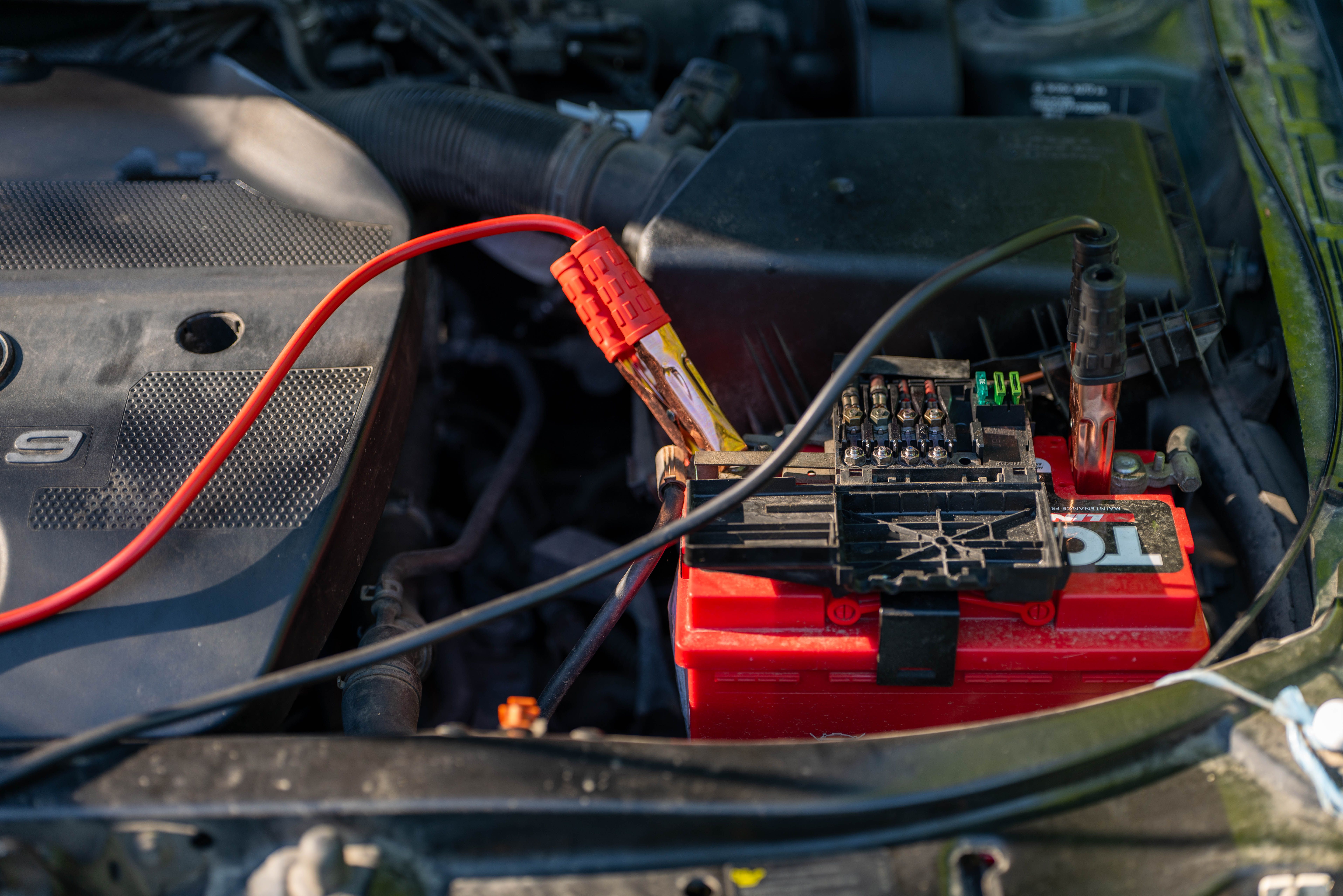
If your car clicks but will not start, a weak or discharged battery or poor battery connection is a common possibility. Rapid repeated clicking often points towards low voltage, while one solid click can involve the starter motor or solenoid—but neither sound confirms a diagnosis on its own. An alternator usually causes trouble by failing to recharge the battery, rather than directly turning the engine over.
Quick guide: symptoms and next steps
What does the clicking sound mean?
Symptom
Possible causes
Useful next step
Rapid repeated clicks
Weak battery, discharged battery, poor terminal connection
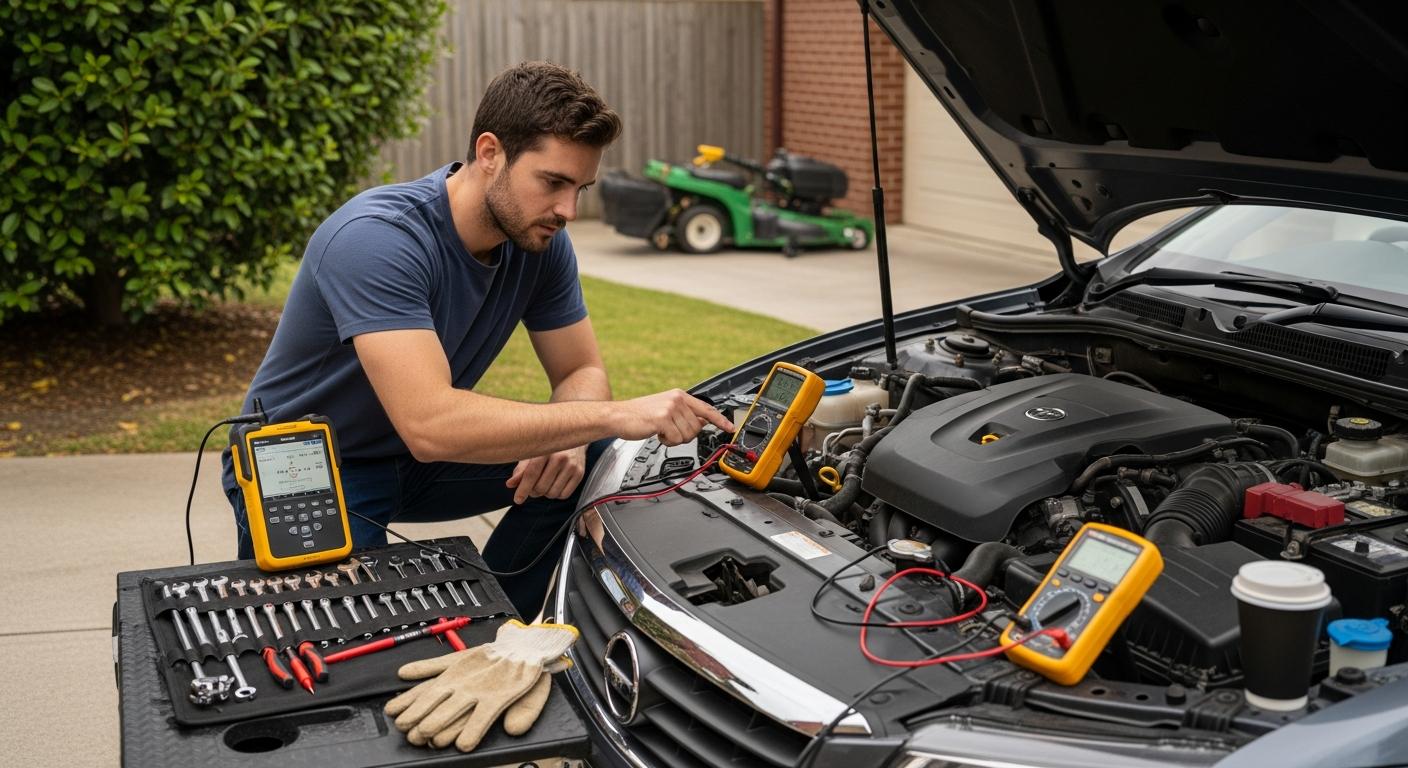
Test battery and connections
One solid click
Starter/solenoid, weak battery, high-resistance connection
Check battery supply and starter circuit
Clicking with dimming lights
Voltage dropping under load or poor connection
Arrange a battery load test
Starts after a jump, then fails later
Battery may be weak; charging issue or drain may also exist
Test battery and charging system
1. A weak or flat battery
The starter motor needs far more current than interior lights or the dashboard. A battery may still power accessories but lack the current needed to crank the engine. Age, short trips, cold conditions and leaving lights on can contribute to a discharged battery.
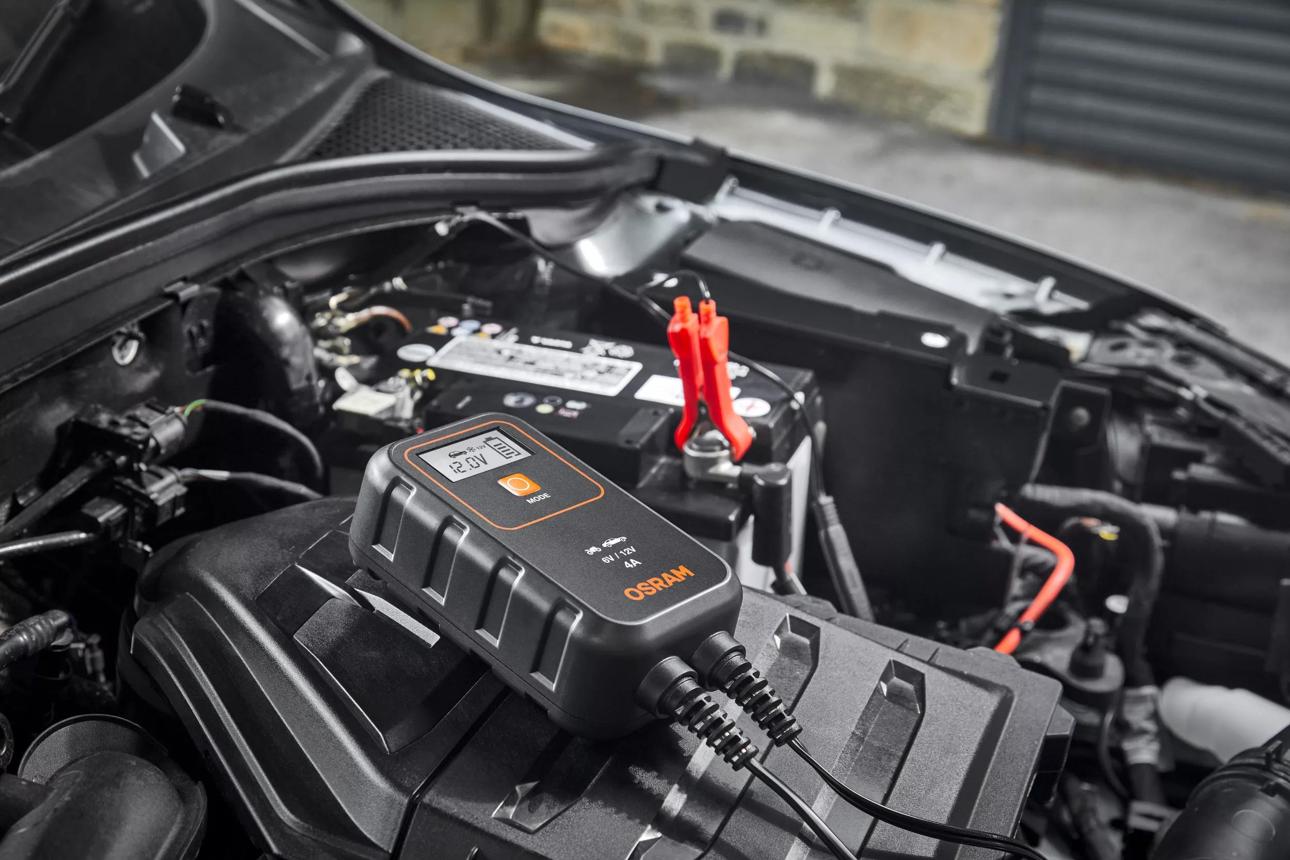
What to do: Avoid repeated long start attempts. Arrange a battery test and check connections. If the battery is merely discharged and remains serviceable, charging may help; replace it only when testing and condition support that decision.
2. Loose or corroded battery connections
Corrosion, loose terminals or a poor earth connection can interrupt the high current required by the starter. The battery itself may be serviceable, so replacing it without checking connections may not solve the problem.
What to do: Look for obvious damage without touching exposed conductors or bridging terminals. Have battery terminals, cables and earth points inspected safely.
3. A faulty starter motor or solenoid
A single click can occur when the starter solenoid engages but the starter does not turn the engine. However, low battery voltage and poor connections can produce similar symptoms.
What to do: Confirm the battery and connections are delivering adequate power, then test the starter circuit. Do not buy a starter based on sound alone.
4. An alternator or charging-system problem
The alternator recharges the battery while the engine runs. If it is not charging properly, the battery can become discharged and the car may later click instead of starting. Warning signs can include a battery/charging warning light, dimming electrical systems or repeated flat-battery episodes, but testing is required.
What to do: Have the battery and charging system tested together. A jump-start may get the engine running temporarily but will not repair a charging fault.
5. Other starting-circuit or security faults
Starter relays, fuses, wiring, earth connections, gear-selector or clutch switches, and immobilisers can also prevent cranking. If there is no click at all, or the key is not recognised, the cause may be outside the battery itself.
What to do: Check the owner’s manual for basic gear-selector and key-fob steps. Leave electrical diagnosis to a qualified technician if the fault continues.
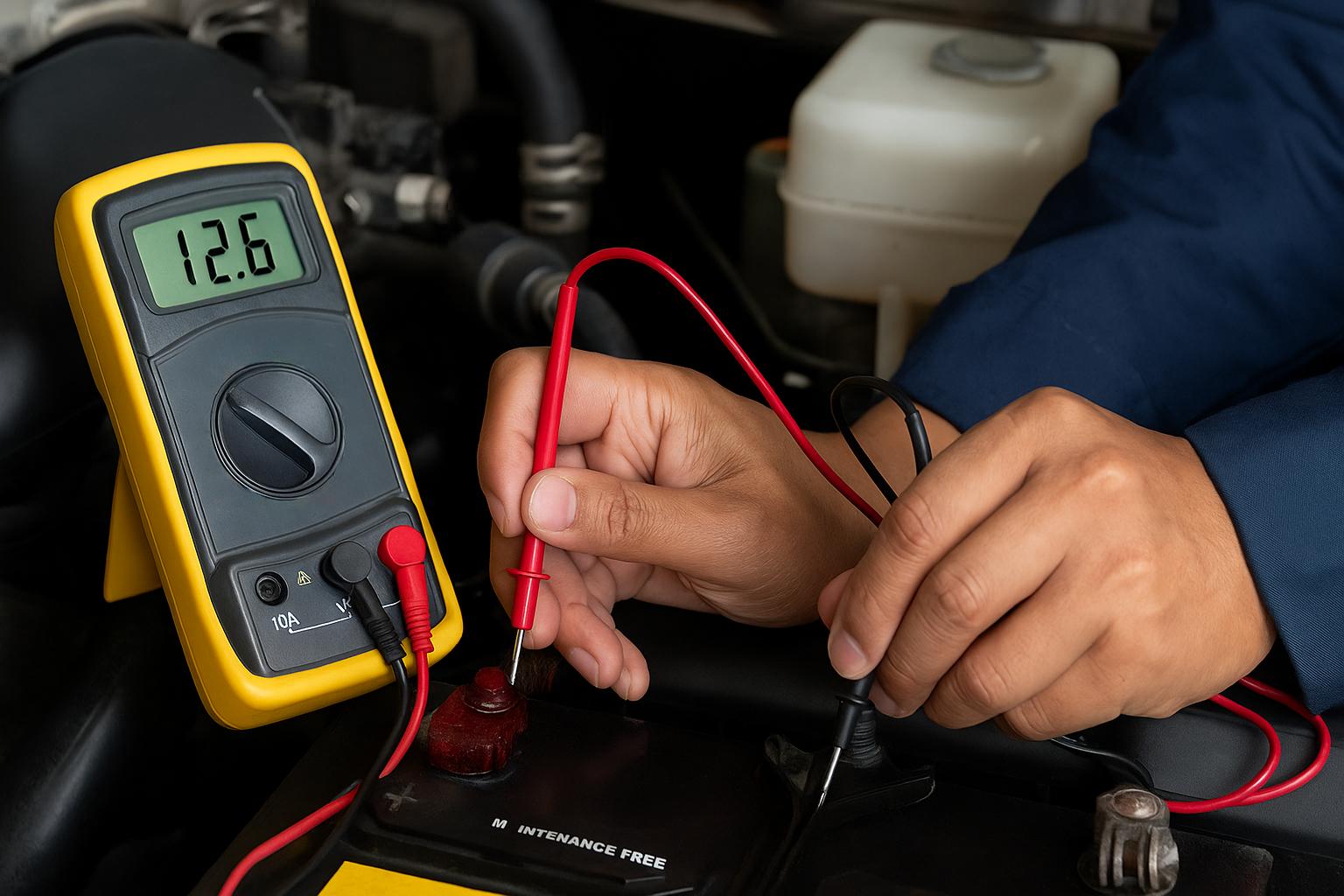
Battery or starter: how do you tell?
Sound is a clue, not proof. A battery test, terminal inspection and starting-circuit checks help separate a low-voltage problem from a starter fault. If the engine cranks at normal speed but does not fire, investigate fuel, ignition, engine management or security-system causes instead of assuming the starter is faulty.
Check
What it helps establish
Battery condition/load test
Whether the battery can supply starting current
Terminal and earth inspection
Whether current is being lost through poor connections
Charging-system test
Whether the battery is being recharged correctly
Starter-circuit diagnosis
Whether the starter, solenoid or control circuit is at fault
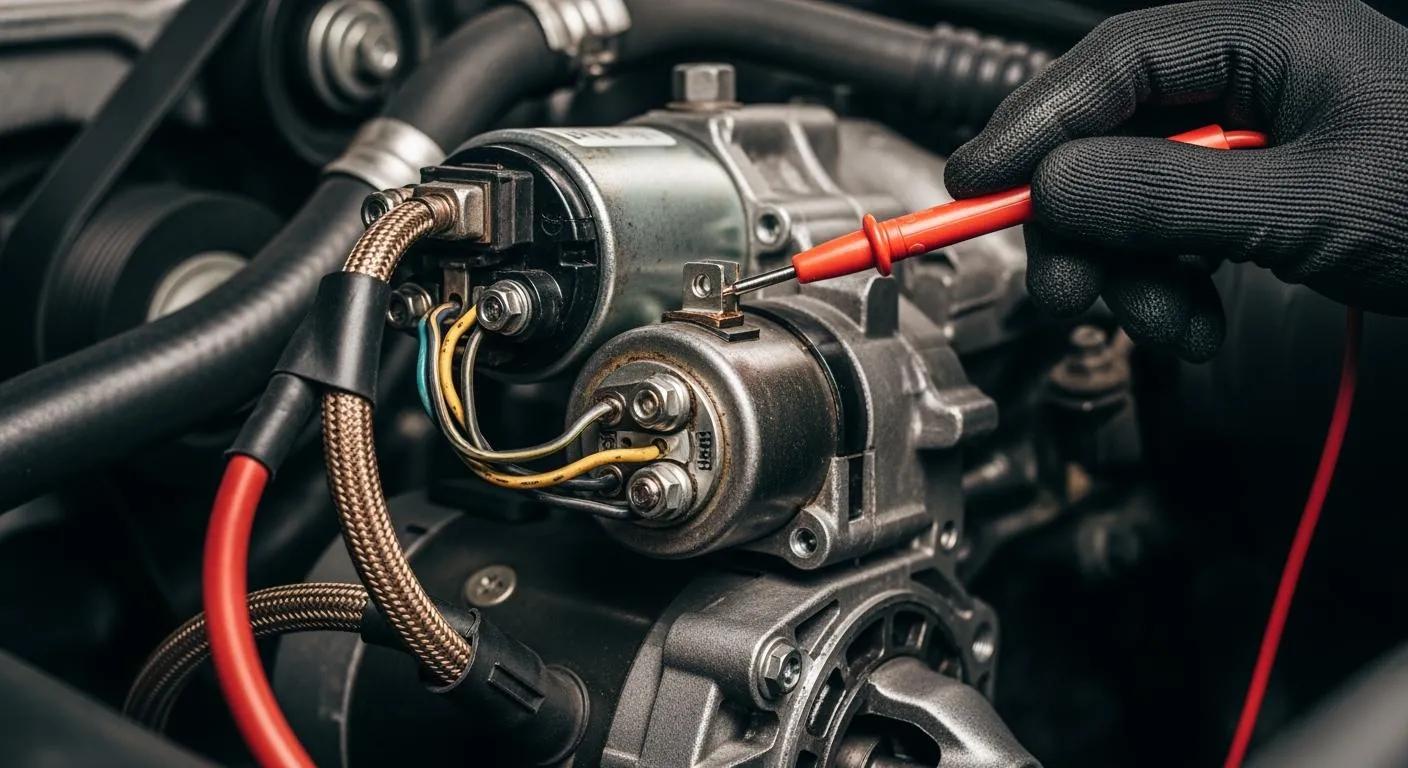
Related services in Melbourne West
If your vehicle is struggling to start, Car Battery Service can discuss battery testing, battery replacement or jump-start assistance, subject to location, vehicle and service availability. Explore our battery testing service, car battery replacement service, and jump-start assistance. You can also request a service to confirm availability.
Frequently asked questions
Why does my car click rapidly but not start?
Rapid clicking often happens when battery voltage is too low to operate the starter, or when a battery connection is poor. A battery and connection test can confirm the cause.
Does one click mean the starter motor is bad?
Not always. A weak battery, poor connection, starter solenoid or starter motor can cause a single click. Test the battery supply before replacing the starter.
Can an alternator make my car click and not start?
An alternator fault can leave the battery undercharged, eventually causing clicking and a no-start condition. Battery and charging-system tests help distinguish the causes.
Will a jump-start fix the problem permanently?
Only if the issue is a discharged battery and the underlying battery and charging system are serviceable. If the fault returns, further testing is needed.
Should I keep trying to start the car?
Avoid prolonged or repeated attempts because they can drain the battery further. Stop if you notice smoke, a burning smell, battery leakage or damaged wiring.
Can I drive after jump-starting?
If the vehicle starts, its safety and charging condition still need consideration. If a charging warning remains on or the engine behaves abnormally, stop safely and seek assistance.
Need car battery assistance?
Call +61 467 037 886 or email mechanicnearyoubatteries@gmail.com to enquire about your vehicle and service availability.
Symptoms are general indicators, not a definitive diagnosis. Follow your vehicle manufacturer’s instructions and seek qualified assistance where necessary.