If your car’s lights turn on but the engine will not start, the battery can still be the problem—but it is not the only possibility. A weak battery, loose or corroded connections, a faulty starter motor, a gear-selector or clutch interlock, or an immobiliser issue can all stop a car from starting.
The quickest clue is what happens when you try to start it: listen for clicking, notice whether the engine turns over, and check whether dashboard lights dim. These signs help narrow down the cause, but testing is needed before replacing parts.
Quick answer: Why won’t my car start if the lights work?
Symptom
Possible cause
What to do
Rapid clicking
Weak/discharged battery or poor connection
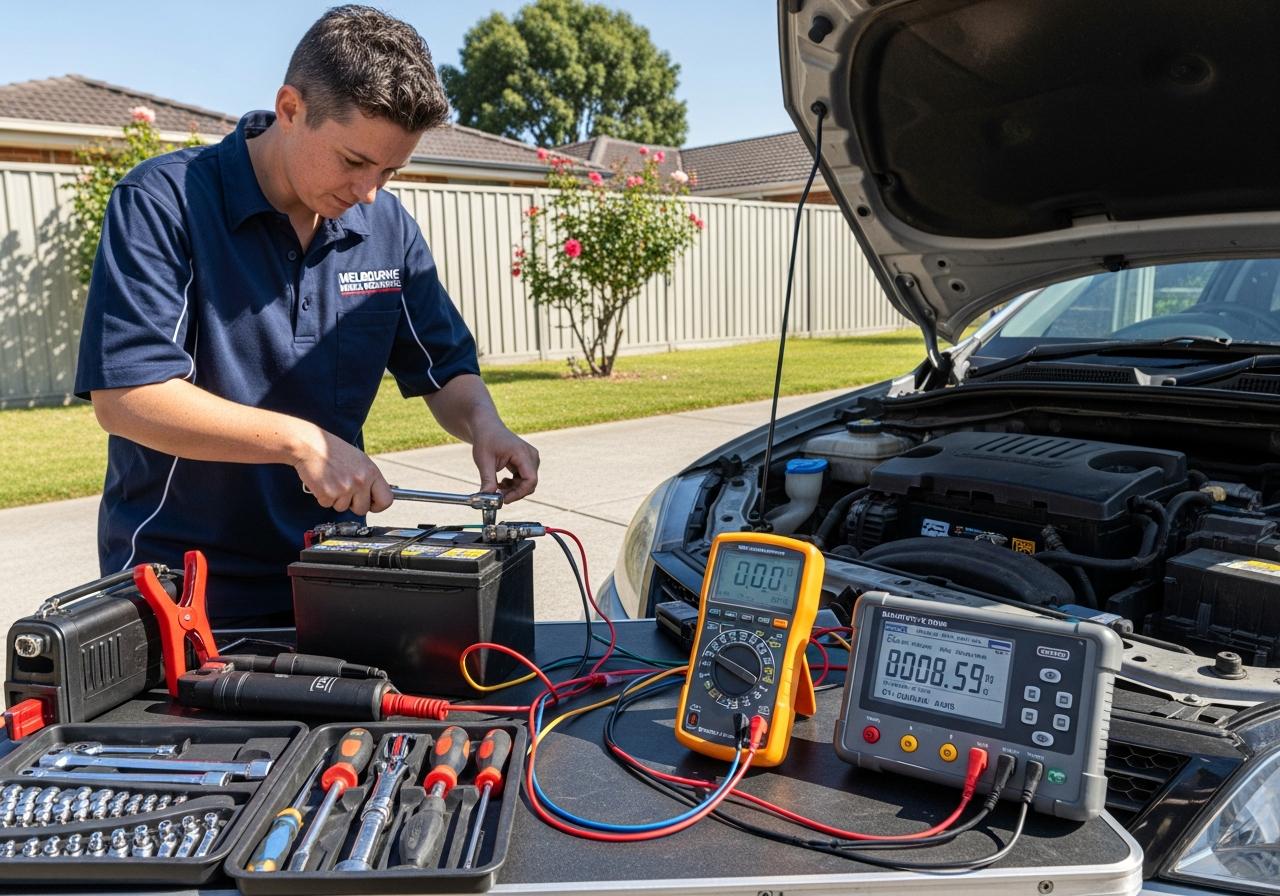
Arrange battery and terminal testing.
One solid click
Starter/solenoid, weak battery, or poor connection
Test battery and starting circuit before replacing parts.
No click, no crank
Battery supply, starter circuit, fuse/relay, interlock, or immobiliser
Check the manual and arrange diagnosis if it persists.
Slow cranking
Low battery charge, ageing battery, or poor connections
Start with a battery and connection test.
Engine cranks normally but will not fire
Fuel, ignition, engine-management, or immobiliser issue
Seek mechanical diagnosis.
Lights dim heavily
Battery voltage dropping under load or poor connection
Have battery and terminals checked.
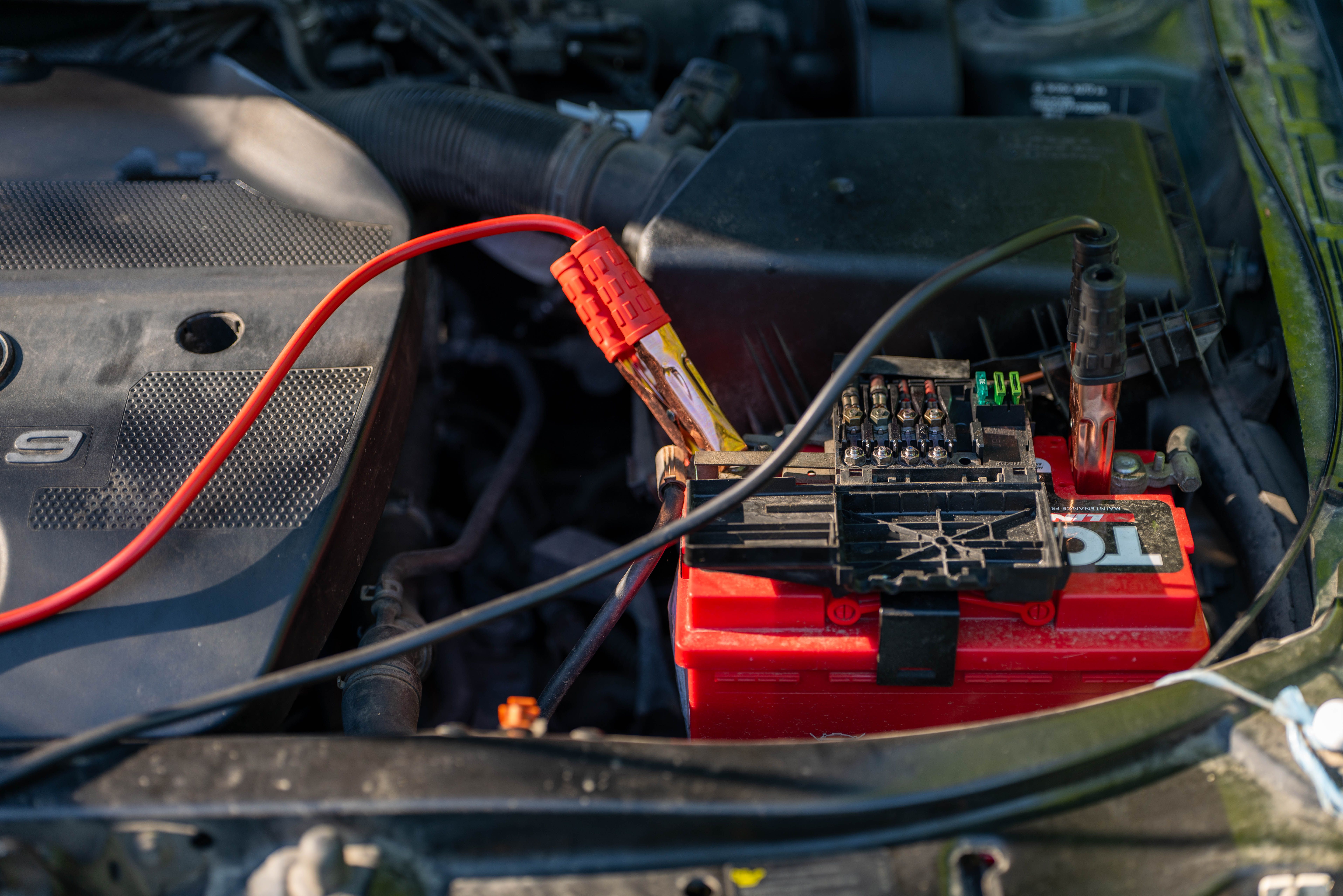
Safety first: If you notice smoke, a burning smell, a swollen or leaking battery, or damaged wiring, stop trying to start the vehicle. Do not jump-start a damaged, swollen, leaking, or frozen battery.
1. The battery is too weak to start the engine
Working headlights and dashboard lights do not prove that a battery is healthy. Lights need much less power than a starter motor, which draws a large current to turn the engine. A battery can illuminate the cabin but still fail to crank the engine.
Clues include slow cranking, rapid clicking, lights dimming during a start attempt, or a car that starts after a suitable jump-start. Age, cold weather, repeated short trips, and accessories left on can contribute to low charge.
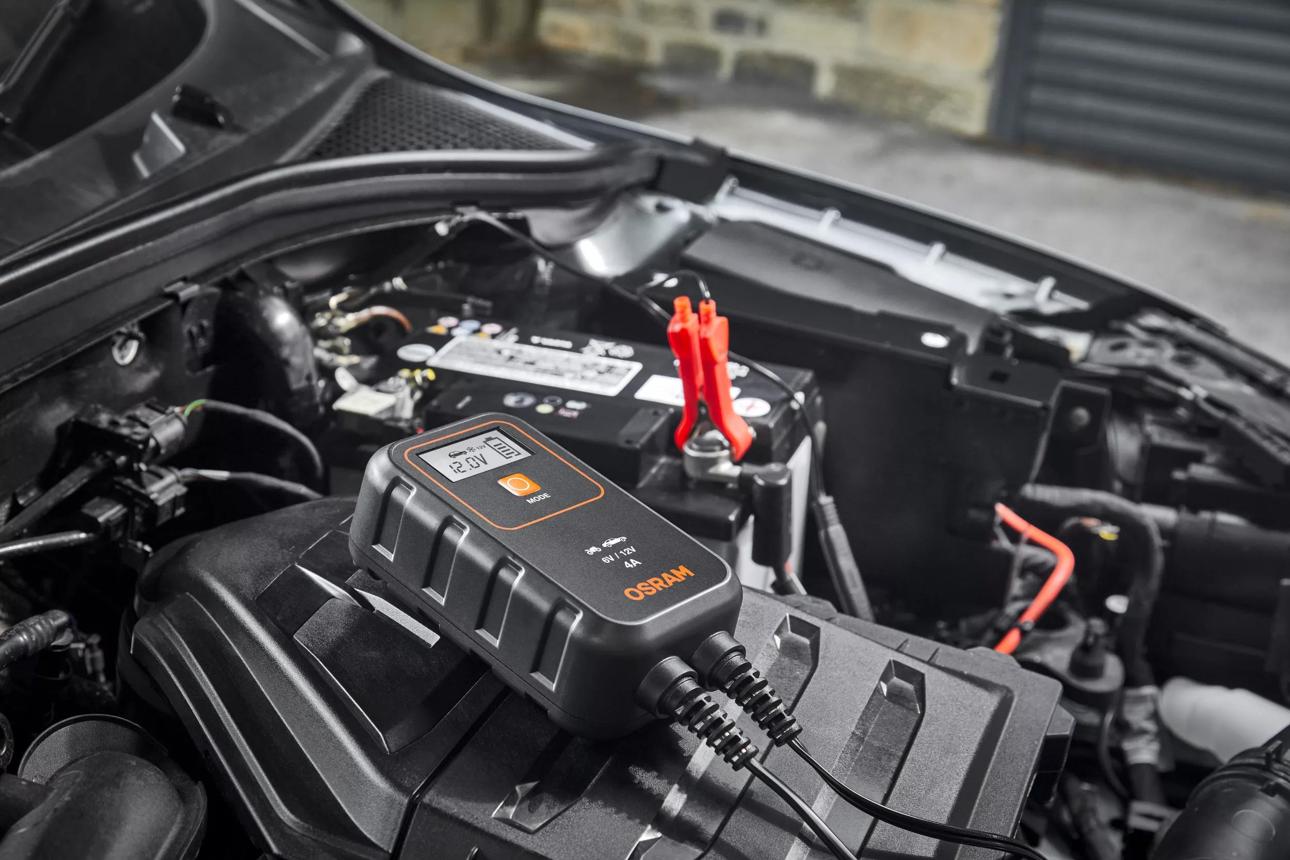
What to do: Avoid repeated long start attempts. Arrange a battery test. If the battery is discharged but serviceable, charging may help; if it fails testing or repeatedly loses charge, investigate why before deciding on replacement.
2. Battery terminals are loose or corroded
A charged battery may still be unable to deliver enough current through a loose, dirty, or corroded connection. This can cause clicking, intermittent starting, or lights that work until you try to crank the engine.
With the engine off, visually check for obvious corrosion, damaged cables, or a terminal that appears loose. Do not bridge terminals with a tool or attempt repairs unless you know how to do so safely.
What to do: Have the terminals, earth connections, and main cables inspected. Testing can distinguish a weak battery from a connection problem.
3. The starter motor or solenoid may be faulty
The starter motor turns the engine so it can begin running. One click with no engine movement can indicate a starter or solenoid issue, but a weak battery or poor connection can produce the same symptom.
What to do: Test the battery and connections first, then have the starter circuit checked if the supply is adequate. Avoid buying a starter motor based only on the sound.
4. The car is not recognising Park, Neutral, or the clutch
Automatic vehicles generally require Park or Neutral before cranking. Manual vehicles may have a clutch safety switch. A faulty switch or selector signal can prevent starting even when lights work.
What to do: Apply the parking brake and follow the owner’s manual. Confirm an automatic is fully in Park; only try Neutral if the manual permits it and the vehicle is secure. In a manual, press the clutch fully. If it still will not crank, arrange diagnosis.
5. A key fob, immobiliser, or security system is blocking the start
A vehicle may power the dashboard but refuse to start if the key is not detected or the immobiliser does not authorise starting. A “key not detected” message or unusual security light may be a clue.
What to do: Follow the manufacturer’s instructions, check the displayed message, and try a spare key if available. The manual may describe a backup method for using a fob with a weak battery. A flat fob battery and a flat vehicle battery are different problems.
6. A fuse, relay, wiring, or earth connection has failed
The starter depends on control wiring, fuses or relays, and earth connections. A fault can cause silence or intermittent starting while other electrical circuits continue to work.
What to do: Use the owner’s manual to identify the correct fuse. Never fit a higher-rated fuse or repeatedly replace a fuse that blows. Have starter-circuit wiring diagnosed by a qualified technician.
7. The engine cranks but will not start
If the engine turns over at normal speed but does not fire, the issue may involve fuel delivery, ignition, engine sensors, engine management, or the immobiliser. This differs from a no-crank fault.
What to do: Note whether the engine cranks at its usual speed and whether warning messages appear. Avoid prolonged cranking. If a jump-start does not change the symptom—or the engine already cranks normally—arrange mechanical diagnosis.
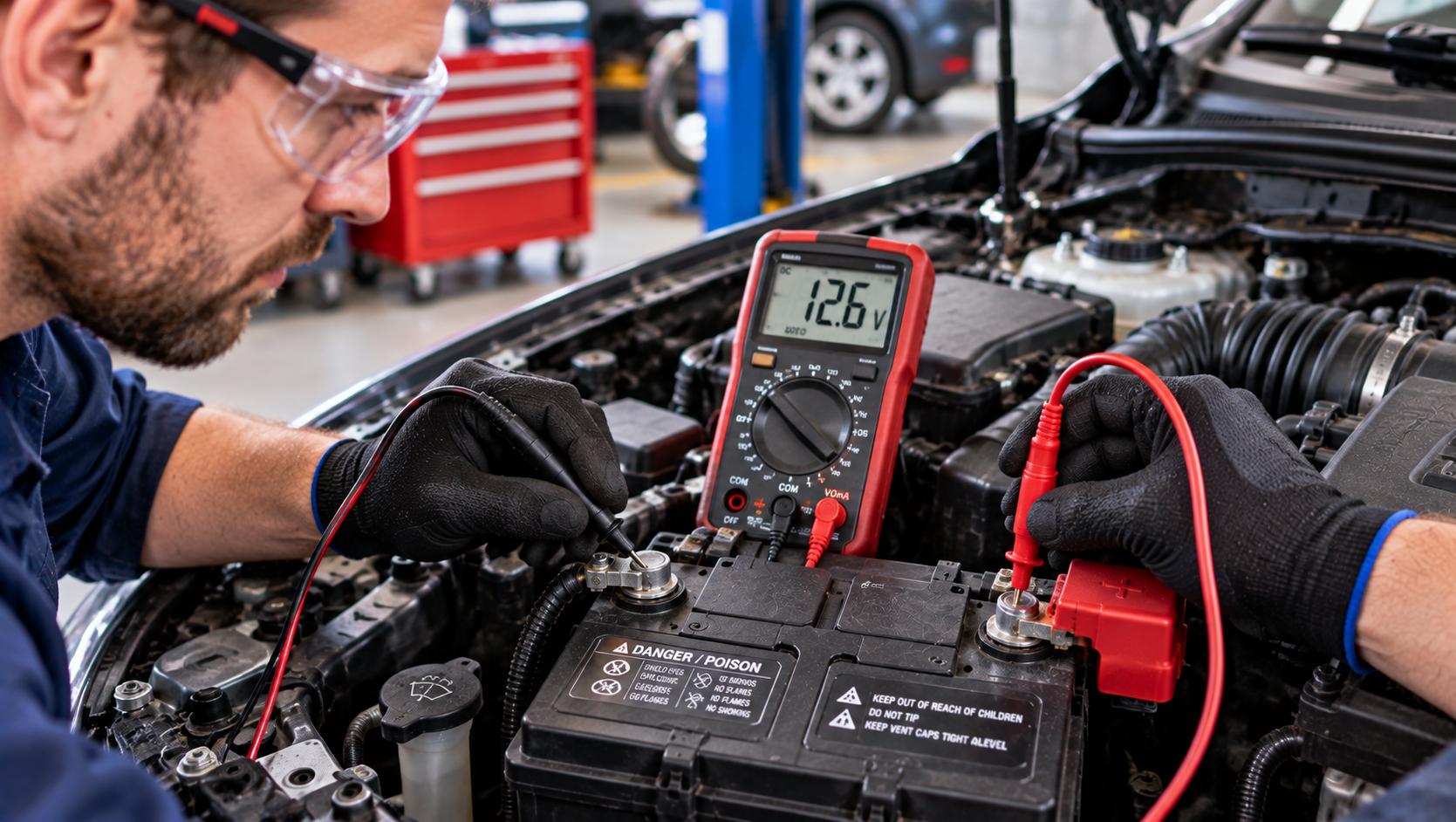
What does “car won’t turn over” mean?
Drivers use “won’t turn over” in different ways. Technically, it usually means the starter is not rotating the engine. If the engine rotates but does not run, it is cranking but not starting. Describe exactly what you hear and see to help narrow down the fault.
Term
What happens
Possible diagnostic starting point
No crank
No engine movement; click or silence
Battery supply, connections, starter circuit, interlocks, immobiliser
Slow crank
Engine turns more slowly than usual
Battery condition, connections, starter load
Cranks but won’t start
Engine turns but never runs
Fuel, ignition, engine management, security system
What should you check first?
Stay safe. Secure the vehicle in Park or Neutral as appropriate and apply the parking brake.
Observe the symptoms. Note rapid clicking, one click, silence, slow cranking, or normal cranking.
Look for warning signs. Note dashboard messages, security lights, smoke, unusual smells, or visible battery damage.
Check simple interlocks. Confirm gear-selector or clutch position and follow key-fob instructions in the manual.
Test before replacing parts. Battery and connection testing can help prevent replacing a good battery or starter unnecessarily.
Do not continue starting attempts if you see smoke, smell burning, notice leaking battery fluid, or suspect damaged wiring. If unsure about jump-starting, seek professional help and follow the vehicle manufacturer’s instructions.
Can a jump-start help if the lights still work?
Yes, if the battery is discharged and the vehicle and battery are suitable for jump-starting. Lights working does not rule out a low battery. However, a jump-start will not repair a failed battery, faulty starter, damaged wiring, or an engine that cranks normally but does not fire.
If the car starts after a jump, have the battery and charging system checked, particularly if it has gone flat more than once.
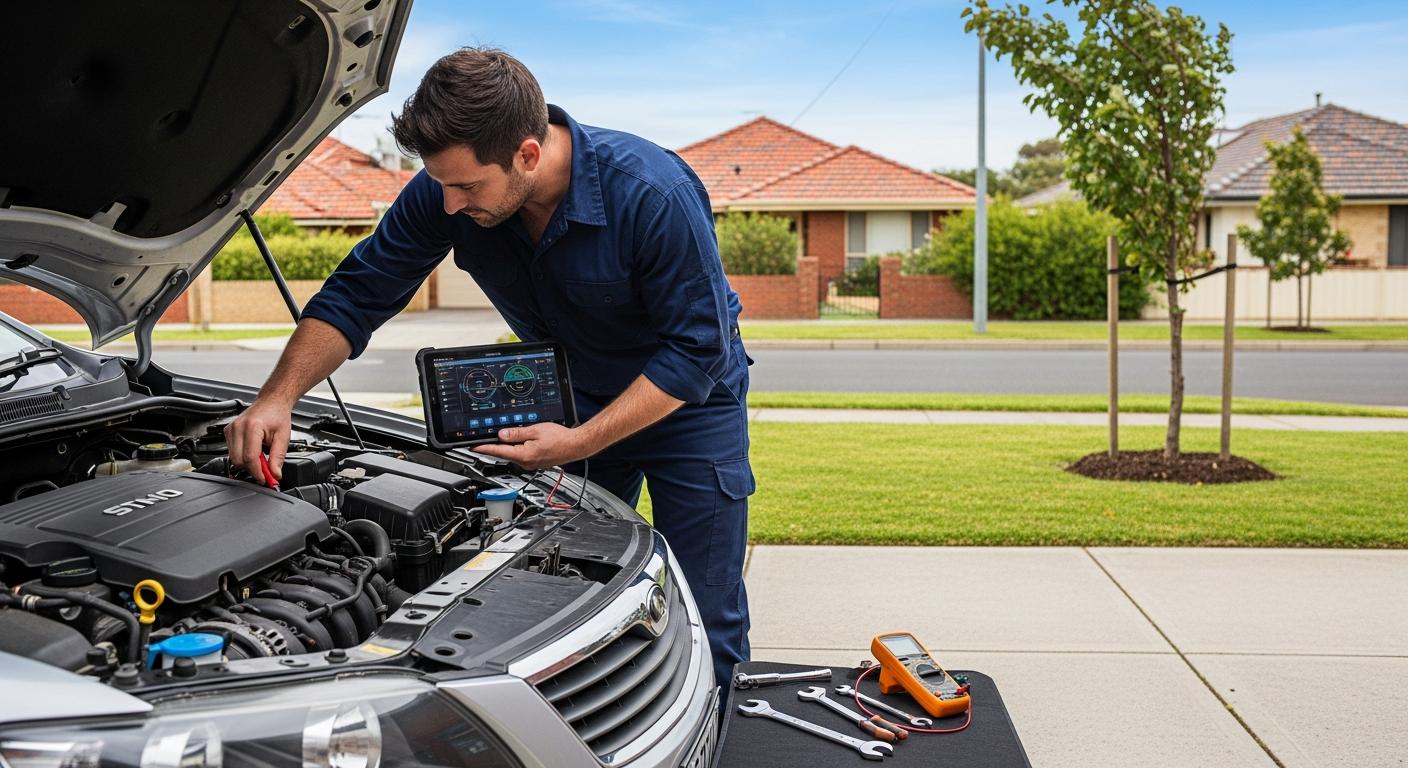
When should you call for mobile battery assistance?
Consider requesting assistance if the vehicle will not crank, the battery may be discharged, or you are stranded without safe access to testing equipment. A technician can assess the battery and connections and help determine whether replacement, jump-start assistance, or further mechanical diagnosis is appropriate.
Car Battery Service provides mobile battery-related assistance across Melbourne West, subject to location, vehicle and service availability. Share your vehicle’s make, model, year, location, and exact symptom when enquiring.
Explore our car battery replacement service, battery testing service, or jump-start assistance. You can also request a service to discuss your situation and confirm availability.
Frequently asked questions
Why won’t my car start but the lights work?
Lights use much less power than the starter motor, so a weak or discharged battery can still power lights but fail to crank the engine. Loose connections, a starter fault, an interlock, or an immobiliser can also cause this symptom.
Does a car that won’t turn over always need a new battery?
No. A weak battery is one possibility, but the cause may be a poor connection, starter-circuit fault, gear-selector or clutch switch, or security system. Testing helps identify the fault before parts are replaced.
What does it mean when my car won’t start and there is no click?
No click can be caused by a battery supply issue, starter control circuit fault, interlock, or immobiliser. Check simple selector and key-fob steps in the owner’s manual, then arrange diagnosis if the car still will not crank.
Is it the battery or starter if I hear one click?
One click can point to the starter or solenoid, but a weak battery or poor electrical connection can produce a similar symptom. Battery and connection testing should be part of diagnosis before replacing the starter.
Can I jump-start my car if the lights are working?
Possibly, if the battery is discharged and the vehicle is suitable for jump-starting. Follow the manufacturer’s procedure and do not jump-start a damaged, swollen, leaking, or frozen battery.
What if the engine turns over but still won’t start?
If the engine cranks at normal speed but does not run, the cause may involve fuel delivery, ignition, engine sensors, engine management, or the immobiliser. Further mechanical diagnosis may be needed.
Should I keep trying to start the car?
Avoid repeated or prolonged start attempts, as they can further discharge the battery and may overheat components. Stop immediately if you notice smoke, a burning smell, leaking battery fluid, or damaged wiring.
Need help with a car that won’t start in Melbourne West?
If your car’s lights work but the engine will not start, describe exactly what happens when you turn the key or press the start button. Battery testing can help establish whether the battery is discharged or failing, while further checks can identify a connection, starter, or other vehicle fault.
Call +61 467 037 886 or email mechanicnearyoubatteries@gmail.com to enquire about your vehicle and service availability.
Symptoms in this guide are general indicators, not a definitive diagnosis. Vehicle designs and starting procedures vary; follow the manufacturer’s instructions and seek qualified assistance where necessary.