A hybrid car that refuses to start can be confusing, especially when its dashboard lights still turn on or the high-voltage traction battery is believed to have charge. One possible cause is the small 12-volt auxiliary battery. This battery supports the electronics and control systems that help the vehicle initialise. If its voltage is too low, the car may not enter READY mode even though the high-voltage battery is not necessarily empty.
However, a no-start condition does not automatically mean the 12V battery has failed. Key recognition problems, poor electrical connections, a fuse issue or another vehicle-system fault can produce similar symptoms. Testing and reading the vehicle’s warning messages is safer and more reliable than replacing parts based on symptoms alone.
Important safety note: Hybrid high-voltage systems can cause serious injury. This guide concerns the conventional 12V auxiliary battery only. Do not touch orange high-voltage cables, open high-voltage battery components or attempt repairs unless you are appropriately trained and authorised. Always follow the owner’s manual for the exact model and year.
Hybrid car won’t start: symptom guide
The symptoms below can help you describe the problem to a technician, but they are clues rather than a diagnosis. Different hybrid models display different messages and behave differently when the 12V supply is weak.
| Symptom | Possible explanation | Useful next step |
|---|---|---|
| Dashboard lights turn on but READY does not appear | Low 12V voltage, key recognition issue or another system fault | Record any warning message and arrange a 12V battery test. |
| Displays are dim, flicker or reset | Weak 12V battery or an electrical connection issue | Have the battery and connections checked by a qualified person. |
| “Key not detected” appears | Key-fob battery, key recognition or vehicle-system issue | Use the model-specific backup key procedure in the owner’s manual. |
| The car has been parked for weeks | The 12V battery may have discharged, although other causes are possible | Test the battery and investigate repeated discharge instead of assuming replacement is needed. |
| Warning lights remain after assistance | An underlying battery, charging or vehicle-system issue may remain | Seek qualified diagnosis and do not assume a temporary restart has fixed the cause. |
What does the 12V battery do in a hybrid?
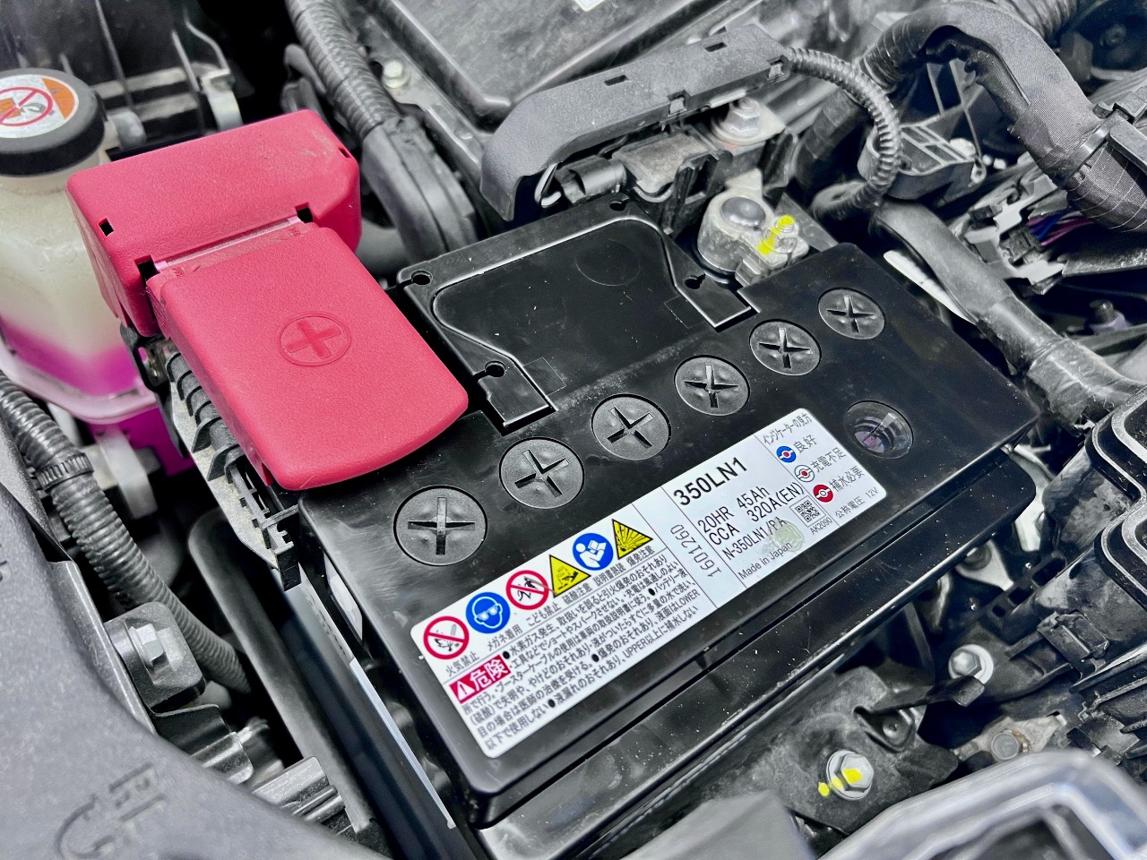
Many hybrids have two separate electrical energy systems: a high-voltage traction battery used by the hybrid drive system and a 12V auxiliary battery that supports control electronics, locks, displays, relays and other low-voltage equipment. Their jobs are different, so a charged traction battery does not guarantee that the vehicle can initialise if the 12V supply is weak.
When a hybrid is in its appropriate READY state, the vehicle commonly uses a DC-to-DC converter to maintain the 12V system. The design and operating behaviour vary by manufacturer, model and year. Leaving the car in accessory mode may not maintain the 12V battery and can use the remaining charge instead.
A low 12V battery is therefore a sensible possibility to investigate, not a conclusion to make without testing. If a battery repeatedly discharges, the cause could be an ageing battery, long periods without use, an electrical drain or a charging-system issue.
Signs the hybrid’s 12V battery may be weak
Dashboard displays are unusually dim, flicker or reset when you try to start the vehicle.
The vehicle powers up but does not enter READY mode, even though the key appears to be present.
Door locks, displays or other low-voltage accessories behave inconsistently.
The car has been parked for a long period or has needed repeated jump-start assistance.
A suitable battery test indicates low capacity, poor condition or inadequate performance.
These signs overlap with other faults. Before buying a battery, note what the vehicle does, photograph or write down any warning message, and tell the technician the make, model, year and circumstances. That information can help distinguish a weak battery from a key, connection or system problem.
RAV4 Hybrid won’t start: what should you check?
If a Toyota RAV4 Hybrid will not start, note whether the dashboard powers up, whether READY appears and whether any warning message is displayed. The correct procedure can vary by model year and market, so use the owner’s manual for the specific vehicle rather than relying on generic instructions from another RAV4 generation.
Do not touch orange high-voltage cables or try to access the traction battery. If the manual permits a 12V jump-start and you can identify the exact designated connection points and procedure, follow those instructions precisely. If you are unsure, the battery is damaged, the vehicle is in an unsafe location or warnings remain, arrange qualified roadside or hybrid-vehicle assistance.
Corolla Hybrid won’t start: could it be the auxiliary battery?
Yes, it is one possible cause, particularly if the dashboard is weak or the car has been parked for an extended period. But key recognition, electrical connections and other vehicle systems can create similar symptoms. Check the message displayed and have the 12V battery tested before purchasing a replacement.
Do not assume that every Corolla Hybrid uses the same battery location or jump-start procedure. Battery specifications and access points can differ across model years and variants. The owner’s manual and vehicle-specific testing should guide the next step.
Can you jump-start a hybrid car?
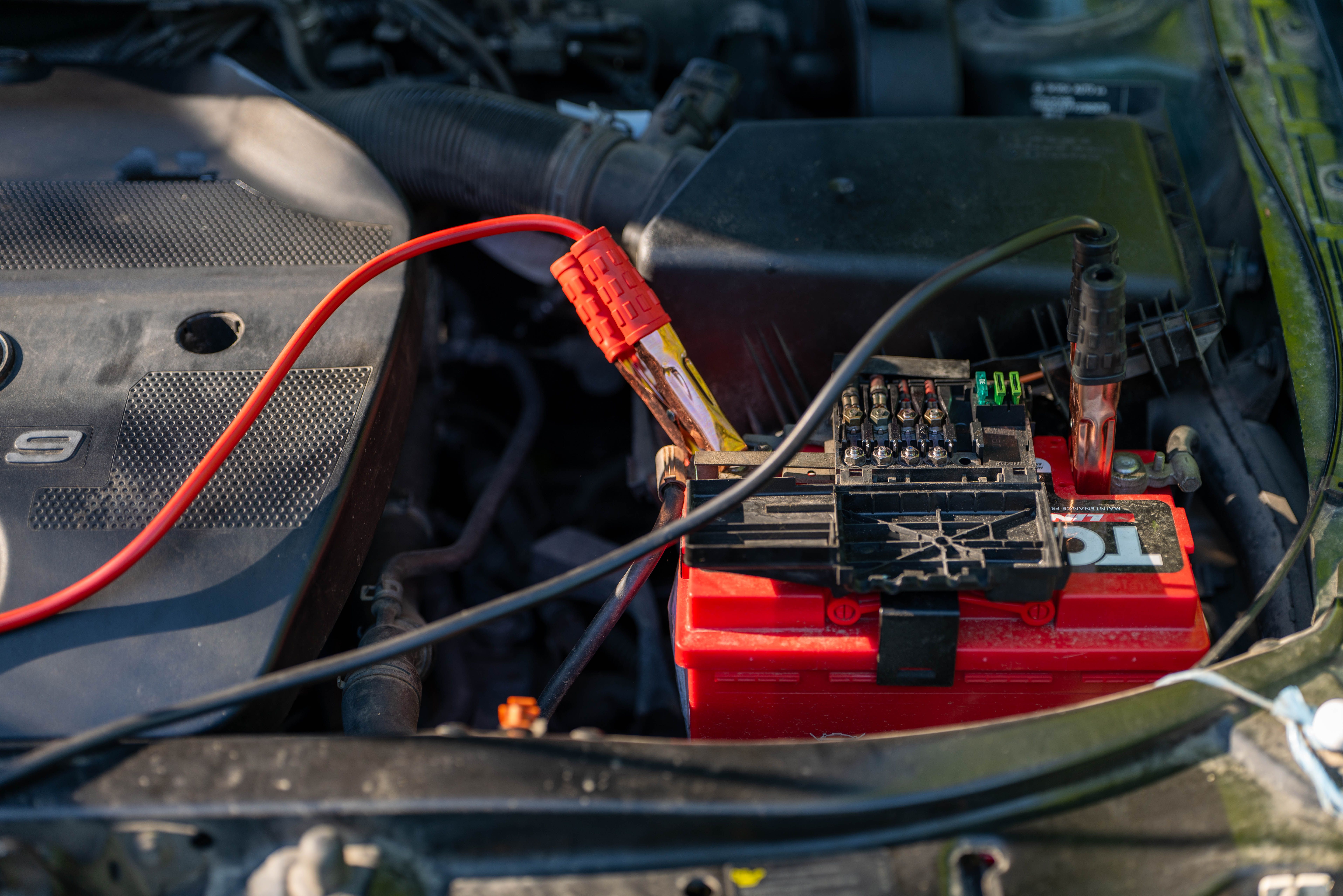
Some hybrids permit a jump-start of the 12V system through specified connection points, but the procedure is vehicle-specific. Read the exact owner’s manual and do not guess at terminal locations or connection order. Never attempt to jump-start the high-voltage traction battery, and never connect jump leads to orange high-voltage cables.
Do not attempt a jump-start if the 12V battery is swollen, leaking, frozen or visibly damaged. Incorrect connections can damage vehicle electronics and may cause injury. If you are uncertain about the procedure, contact qualified roadside assistance or a technician familiar with hybrid vehicles.
Does the hybrid 12V battery recharge while driving?
In many hybrids, the 12V battery is maintained by the vehicle’s electrical system when the car is in its appropriate READY state. The precise behaviour varies by model, and simply switching the vehicle to accessory mode may not charge the battery. Follow the manufacturer’s instructions rather than leaving the vehicle in an assumed charging state.
If the 12V battery repeatedly goes flat, have its condition and the vehicle’s charging and electrical systems checked. Replacing the battery without identifying an underlying drain or charging issue may only provide a temporary improvement.
When should you call for professional help?
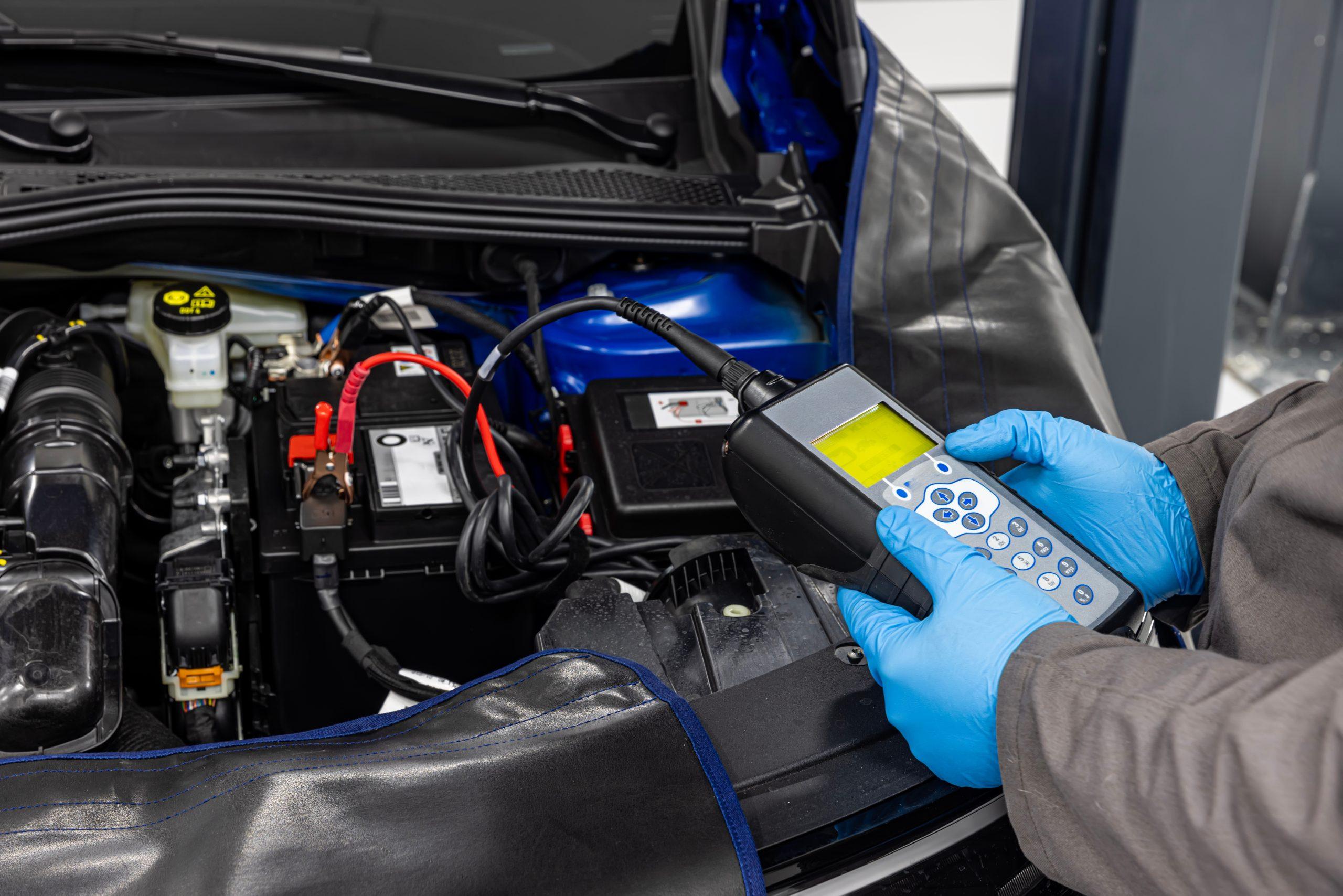
Arrange qualified assistance if the hybrid will not enter READY mode, the 12V battery repeatedly discharges, warning messages remain after a restart, or you cannot confidently follow the model-specific procedure. Tell the provider the vehicle’s make, model and year, where it is parked, what happens when you attempt to start it, and any warning displayed.
Choose a provider who can confirm whether they can safely assess the 12V system on your specific hybrid. If the symptoms suggest a high-voltage fault, use a suitably qualified hybrid technician rather than attempting to inspect high-voltage components yourself.
How to prepare before requesting a battery check
A few details can help the service provider understand the situation and determine what equipment or expertise may be needed. You do not need to remove covers or inspect hazardous components to provide this information.
| Information to share | Why it helps |
|---|---|
| Make, model and year | Battery layout, specifications and procedures can vary across versions. |
| Exact dashboard message | Messages can help identify whether the issue may involve the key, 12V supply or another system. |
| What happens when you press start | Dim displays, silence, warning lights or failure to enter READY provide useful diagnostic clues. |
| How long the vehicle has been parked | Extended storage can contribute to a discharged auxiliary battery, though it is not the only possible cause. |
| Whether the issue has happened before | Repeated discharge may point to battery condition, charging behaviour or an electrical drain that needs investigation. |
Related services in Melbourne West
If your vehicle will not start, Car Battery Service can discuss battery testing, battery replacement or jump-start assistance, subject to your exact location, vehicle and current service availability. If you are unsure whether the 12V battery is responsible, begin by asking about the battery testing service. If testing indicates that a replacement is appropriate, see the car battery replacement service. For a discharged 12V battery, you can also review the jump-start assistance option. Confirm that the provider can assist with your particular hybrid before booking.
You can request a service to discuss your vehicle and location. Call +61 467 037 886 or email mechanicnearyoubatteries@gmail.com to enquire about availability and the appropriate next step.
Frequently asked questions
Can a hybrid car have a flat 12V battery even if the hybrid battery is charged?
Yes. The 12V auxiliary battery supports control electronics needed to initialise the vehicle. If its voltage is too low, the hybrid may not enter READY mode even when the high-voltage traction battery has charge. Testing is needed to confirm the cause.
How do I know if my RAV4 Hybrid’s 12V battery is flat?
Dim displays, reset electronics or failure to enter READY mode can be clues, but they do not prove the battery is at fault. Check the warning messages and follow the owner’s manual. A suitable 12V battery test can help determine whether the battery needs attention.
Can I jump-start a Toyota Corolla Hybrid?
Some models permit a 12V jump-start using specified connection points. Follow the owner’s manual for your exact model and seek professional help if you are unsure. Never attempt to jump-start the high-voltage traction battery or touch orange high-voltage cables.
Does a hybrid have two batteries?
Many hybrids have a high-voltage traction battery and a separate 12V auxiliary battery, and the two serve different purposes. Exact designs vary by vehicle, so refer to the manufacturer’s information for your model.
Why does my hybrid keep going flat when parked?
Possible causes include an ageing 12V battery, extended storage, an electrical drain or a charging-system issue. A battery test and appropriate electrical checks are needed to identify the cause, particularly if the problem keeps returning.
Is it safe to work on hybrid battery cables?
Do not handle high-voltage components or orange cables unless you are trained and authorised to do so. Arrange qualified hybrid-vehicle assistance for high-voltage system concerns and follow the manufacturer’s safety instructions.
Before you replace the battery
The safest next step is to confirm the symptoms and test the 12V system rather than assuming the high-voltage battery or auxiliary battery has failed. Use model-specific guidance, compare the test findings with the vehicle’s symptoms, and seek qualified assistance when needed.
Hybrid systems vary by make, model and year. This guide provides general information only and is not a substitute for the owner’s manual, professional diagnosis or high-voltage safety training.