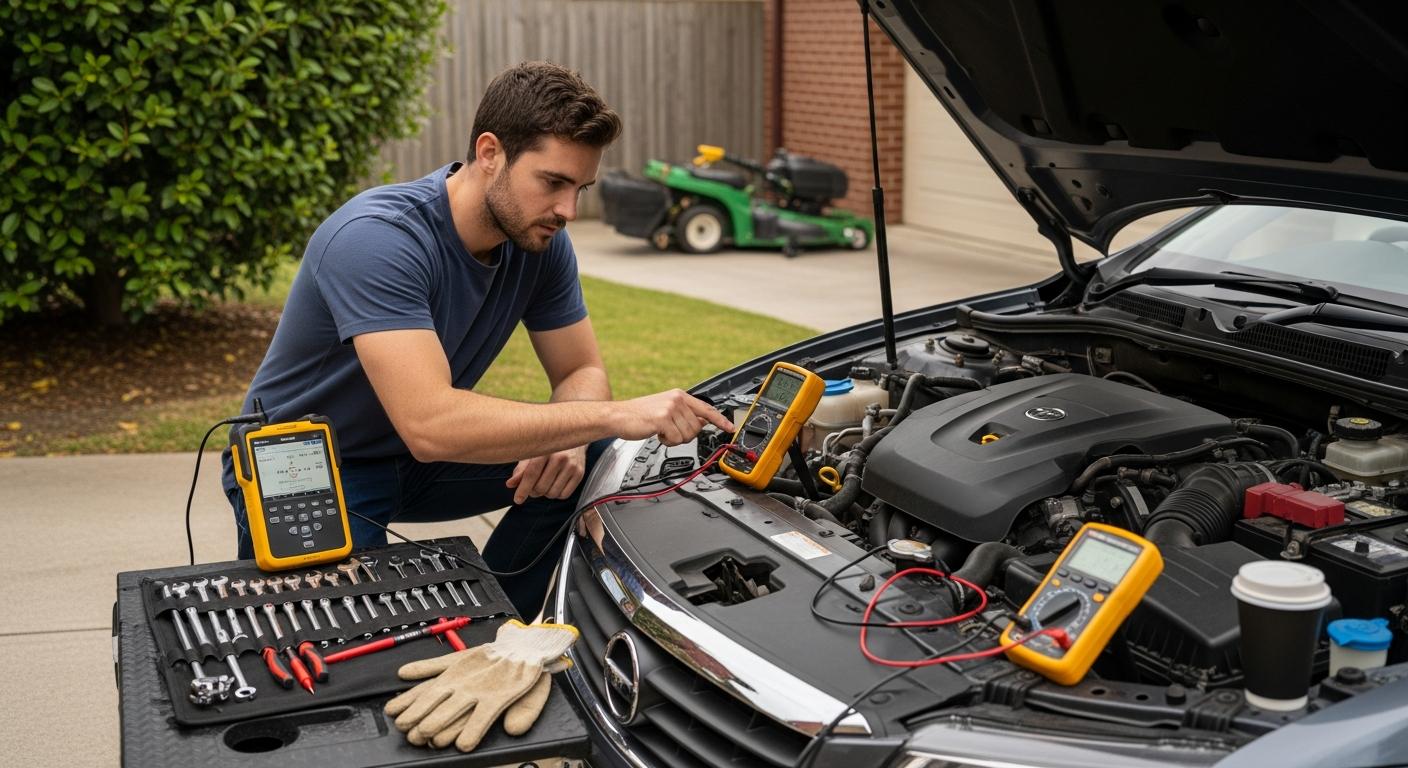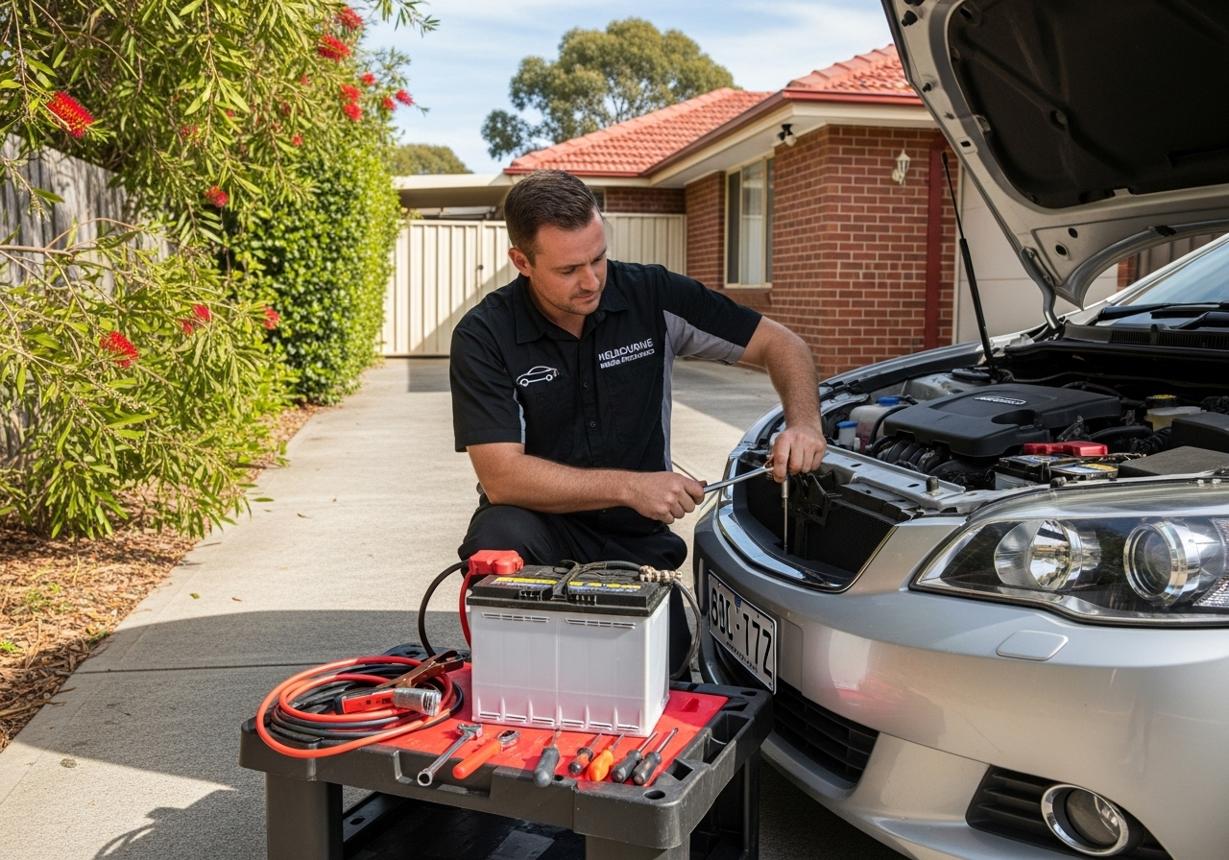
Many conventional car batteries last around three to five years, but there is no guaranteed lifespan. Battery type, under-bonnet heat, driving patterns, charging-system condition and repeated deep discharges all affect how long a battery lasts. In Melbourne, hot weather and stop-start driving can contribute to battery wear, so age should be considered alongside testing and symptoms.
Quick guide: symptoms and next steps
How long should a car battery last?
A broad planning estimate for many conventional 12-volt starter batteries is approximately three to five years. Some batteries fail earlier and others last longer. This is a general guide, not a promise for every vehicle or battery technology.
Factor
How it affects battery life
Practical response
Battery age and condition
Capacity and starting performance can decline over time
Test periodically, especially as the battery ages
Heat exposure
Can accelerate internal battery deterioration
Keep the battery correctly secured and maintained
Frequent short trips
The battery may not recover charge used during starting
Check charge state and vehicle use pattern
Long periods parked
Natural discharge and vehicle standby loads may flatten it
Follow manufacturer guidance for storage
Charging-system fault
Undercharging or overcharging can damage battery health
Test the charging system when symptoms recur
Why heat can shorten battery life
High temperatures can accelerate chemical reactions inside a battery and contribute to faster ageing. Heat under the bonnet can remain significant even when outside temperatures fall. A battery that has experienced repeated hot conditions may show reduced capacity later, sometimes when the driver first notices slow cranking.
Heat is not the only factor: battery quality, vehicle design, installation location, charging voltage and maintenance also matter. Do not assume a battery has failed solely because the weather has been hot.
Do short trips and stop-start driving matter?
Starting the engine uses energy, and short journeys may not provide enough running time for the charging system to restore it fully. Frequent starts, traffic and accessories can add to the load. A vehicle that sits unused for long periods can also develop a low state of charge.
If your driving is mostly short trips, consider periodic battery testing and follow the vehicle manufacturer’s guidance for charging and storage. Never use an unsuitable charger or ignore a charging-system warning.
When should you test or replace a battery?
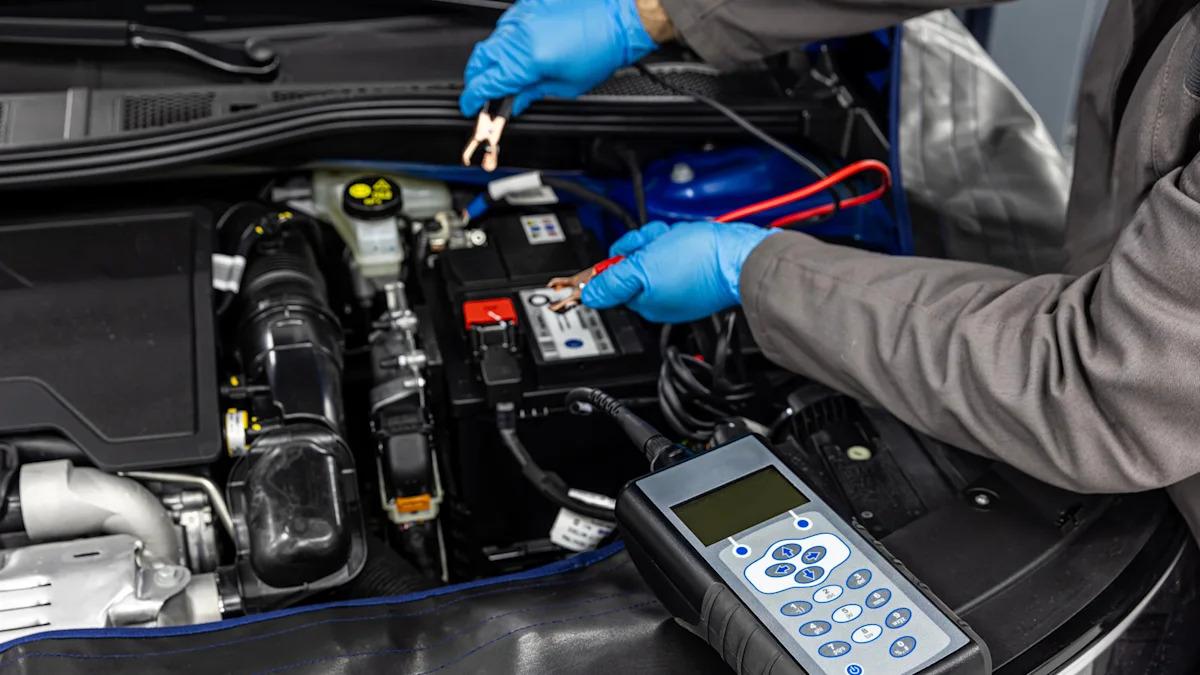
Arrange a test if the engine cranks slowly, the battery repeatedly goes flat, the vehicle needs jump-starts, or the battery/charging warning light appears. Battery age can be a reason to test proactively, but age alone does not prove that replacement is necessary.
Important: A swollen, leaking, cracked or unusually hot battery should not be handled casually or jump-started. Stop and seek professional assistance.
How to help a car battery last longer
Keep battery terminals and connections in good condition; have corrosion or looseness addressed safely.
Investigate repeated flat-battery events instead of relying on jump-starts.
Follow the manufacturer’s recommendations for battery charging, storage and maintenance.
Have the charging system checked if a warning light appears or a replacement battery loses charge unexpectedly.
Ask for a battery test when the battery is ageing or starting performance changes.
Battery testing in Melbourne West
A test can help assess battery condition and identify whether a low charge, battery deterioration or charging-system problem needs attention. Car Battery Service provides mobile battery-related assistance across Melbourne West, subject to vehicle, location and service availability.
Related services in Melbourne West
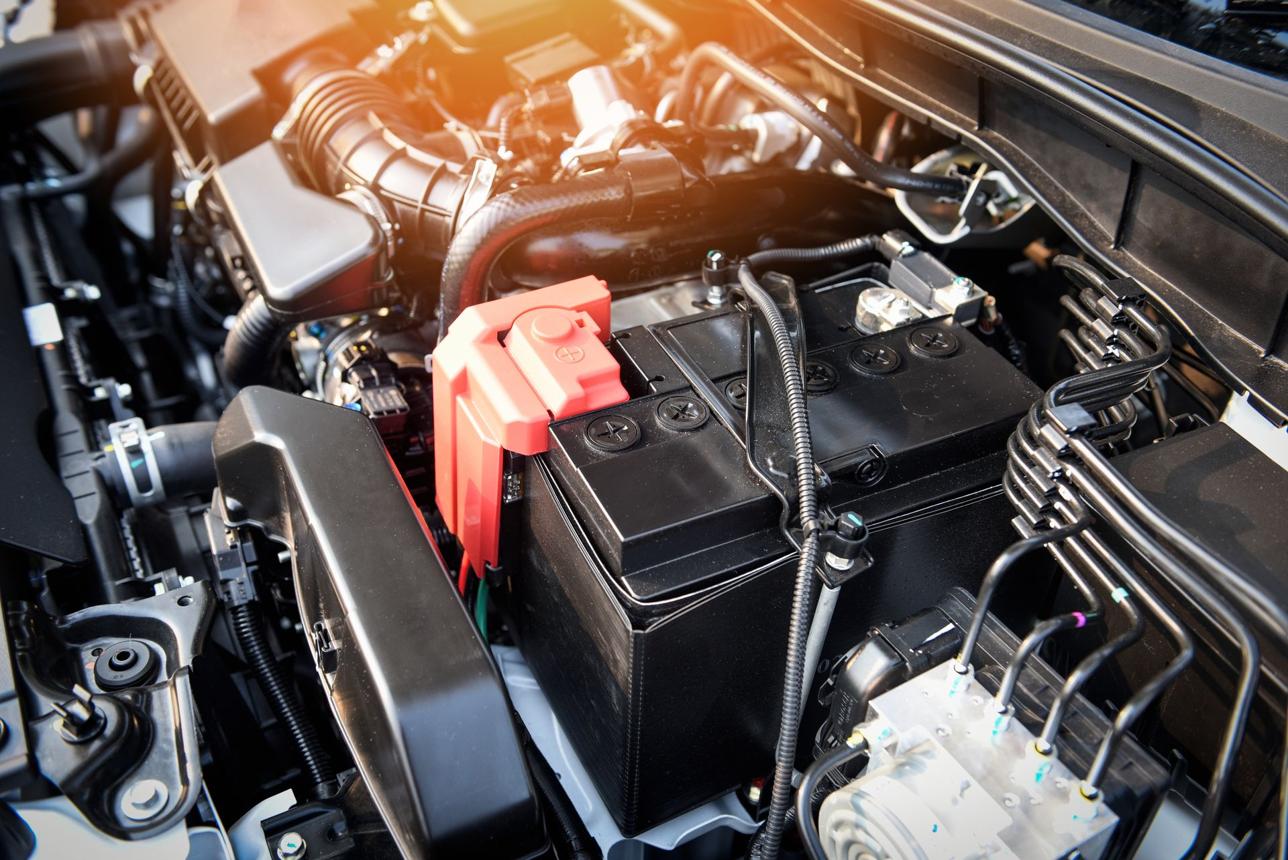
If your vehicle is struggling to start, Car Battery Service can discuss battery testing, battery replacement or jump-start assistance, subject to location, vehicle and service availability. Explore our battery testing service, car battery replacement service, and jump-start assistance. You can also request a service to confirm availability.
Frequently asked questions
How many years does a car battery usually last?
Many conventional starter batteries last around three to five years, but actual life varies with battery type, heat, driving habits, charging condition and maintenance.
Does Melbourne heat damage car batteries?
Heat can accelerate battery ageing, including heat under the bonnet. It is one factor among several, so testing is more reliable than assuming heat alone caused a failure.
Can short trips drain a car battery?
Repeated short trips may not give the charging system enough time to replace the energy used during starting. If the battery repeatedly becomes flat, arrange testing.
Should I replace a car battery after three years?
Not automatically. Battery age is a reason to check condition, but testing, symptoms and the vehicle’s requirements should guide the decision.
How do I know my battery is getting weak?
Slow cranking, repeated flat-battery incidents, jump-starts and some electrical symptoms can be clues. A proper battery test helps establish its condition.
Will driving recharge a flat battery?
Driving may restore some charge if the charging system works, but it may not fully recharge a deeply discharged or damaged battery. Test the battery and charging system if the problem repeats.
Need car battery assistance?
Call +61 467 037 886 or email mechanicnearyoubatteries@gmail.com to enquire about your vehicle and service availability.
Symptoms are general indicators, not a definitive diagnosis. Follow your vehicle manufacturer’s instructions and seek qualified assistance where necessary.